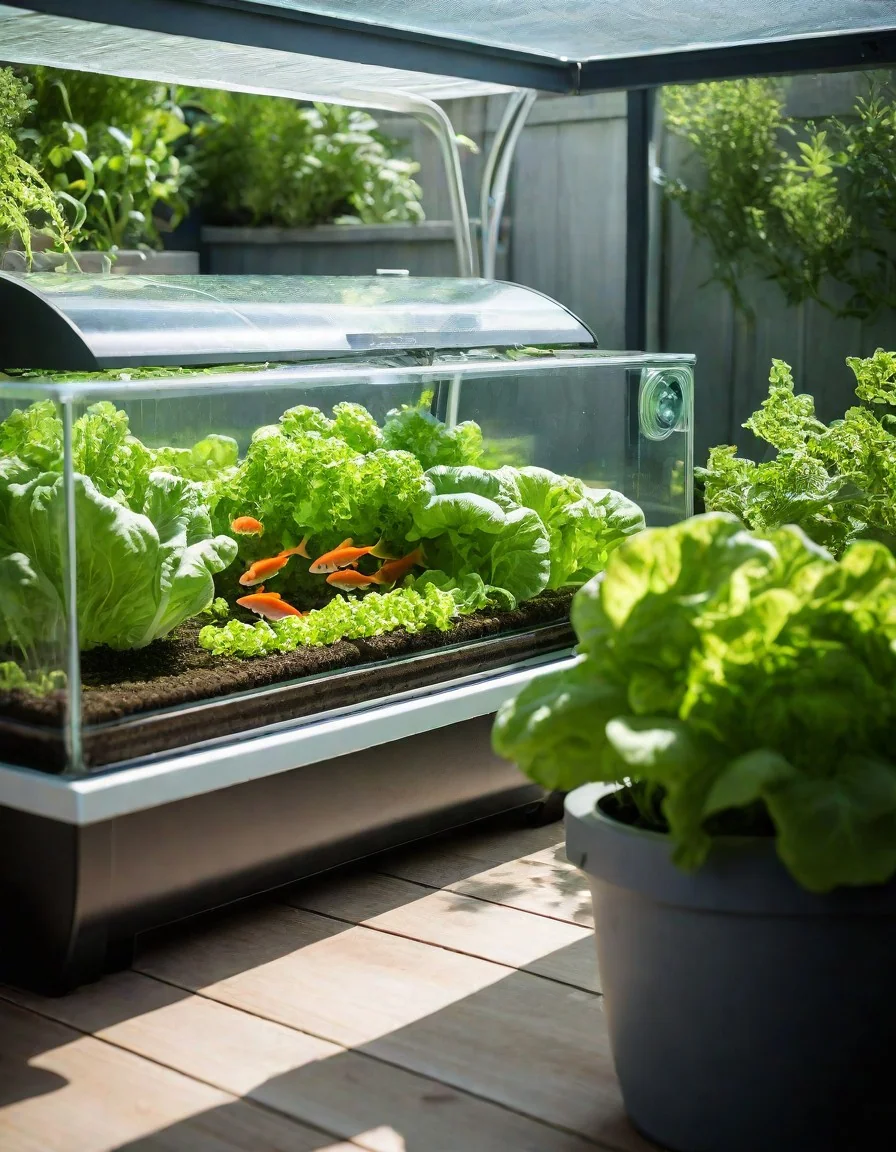
2026-10-20 · 3 min read
How to Cycle an Aquaponics Tank Safely Before Adding Fish
Fishless cycling is the least exciting and most important phase of aquaponics: weeks of dosing an empty tank and testing water while nothing visibly…
By AeternusVita
We make the products recommended here.
“Fishless cycling is the least exciting and most important phase of aquaponics: weeks of dosing an empty tank and testing water while nothing visibly…”
Fishless cycling is the least exciting and most important phase of aquaponics: weeks of dosing an empty tank and testing water while nothing visibly happens. Skip it and fish die; do it right and your system practically runs itself. Here is the procedure taught in the Backyard Aquaponics Blueprint.
Set up the system fully first
Assemble everything — tank, grow bed with media, pump, plumbing — and run it with plain water for several days. Fix leaks, confirm the flood-and-drain rhythm (or constant-flow rate), and verify electrical safety: water plus power demands GFCI protection, treated as non-negotiable. Dechlorinate the water, since chlorine kills exactly the bacteria you are about to invite. Get a liquid test kit covering ammonia, nitrite, nitrate, and pH; strips are too coarse for this job.
Log your starting readings in the water-quality log. You will test every few days for weeks, and the log turns scattered numbers into a visible curve.
Dose ammonia and wait for the two spikes
Add a pure ammonia source (no surfactants or fragrances) to reach roughly 2–4 ppm, then wait. Within a week or two, ammonia falls while nitrite rises — the first bacterial colony establishing. Then nitrite falls while nitrate rises — the second colony arriving. When a fresh ammonia dose converts fully to nitrate within 24 hours, with zero ammonia and zero nitrite remaining, the system is cycled.
Patience notes: cold water slows everything, pH crashes stall bacteria (keep pH roughly neutral and stable), and "helpful" water changes mid-cycle mostly reset progress. The blueprint's troubleshooting flowchart covers each stall with a decision branch instead of guesswork.
Stock slowly and keep logging
A cycled system is not an unlimited system. Add a fraction of your planned fish first, feed lightly, and test daily for the first week — a small ammonia bump after stocking is normal and the colony will expand to meet it. Increase toward full stocking over several weeks, logging every reading in the weekly log. Start plants early (they tolerate the process and consume the end-product nitrate), beginning with forgiving leafy greens.
From here the routine is maintenance, not drama: daily feeding and observation, weekly tests, seasonal checks. The log you kept during cycling becomes the baseline that makes every future anomaly legible.
How this book helps
The Backyard Aquaponics Blueprint (£21, instant download) walks through this entire sequence with sizing tables, the quick-start workbook's build checklist, and the bonus water-quality log with weekly tables plus the troubleshooting flowchart.
Cycling teaches the hardest DIY skill — waiting observantly. The same patient daily-logging habit powers the belief tracker in the Abundance Alignment Code. And if the build leaves the rest of your yard in chaos, The 15-Minute Zone Clean (ADHD Edition) restores order in 15-minute sessions.
Related articles
2026-10-19 · 3 min read
How Backyard Aquaponics Grows Fish and Vegetables Together
Fish fertilize plants; plants clean water for fish. That loop — elegant on paper, fiddly in practice — is what the Backyard Aquaponics Blueprint…
Read article →2026-10-18 · 3 min read
Should I Build Backyard Aquaponics or Buy a Kit? Honest Cost Breakdown
A commercial aquaponics kit runs into the thousands — impressive, but a brutal price for a first system you might outgrow. The Backyard Aquaponics…
Read article →2027-03-09 · 3 min read
How Cycle Syncing Workouts and Nutrition Reduce Burnout
Burnout is the quiet epidemic of women's fitness: months of disciplined training followed by exhaustion, stalled progress, and quitting. A frequent…
Read article →