2026-12-01 · 4 min read
DIY Solar Permits and Inspections: The Checklist Walkthrough Nobody Skips Twice
Nothing stalls a DIY solar build like the permit office. You have panels on the roof, wire half-run, and then an inspector red-tags the job over a…
By AeternusVita
We make the products recommended here.
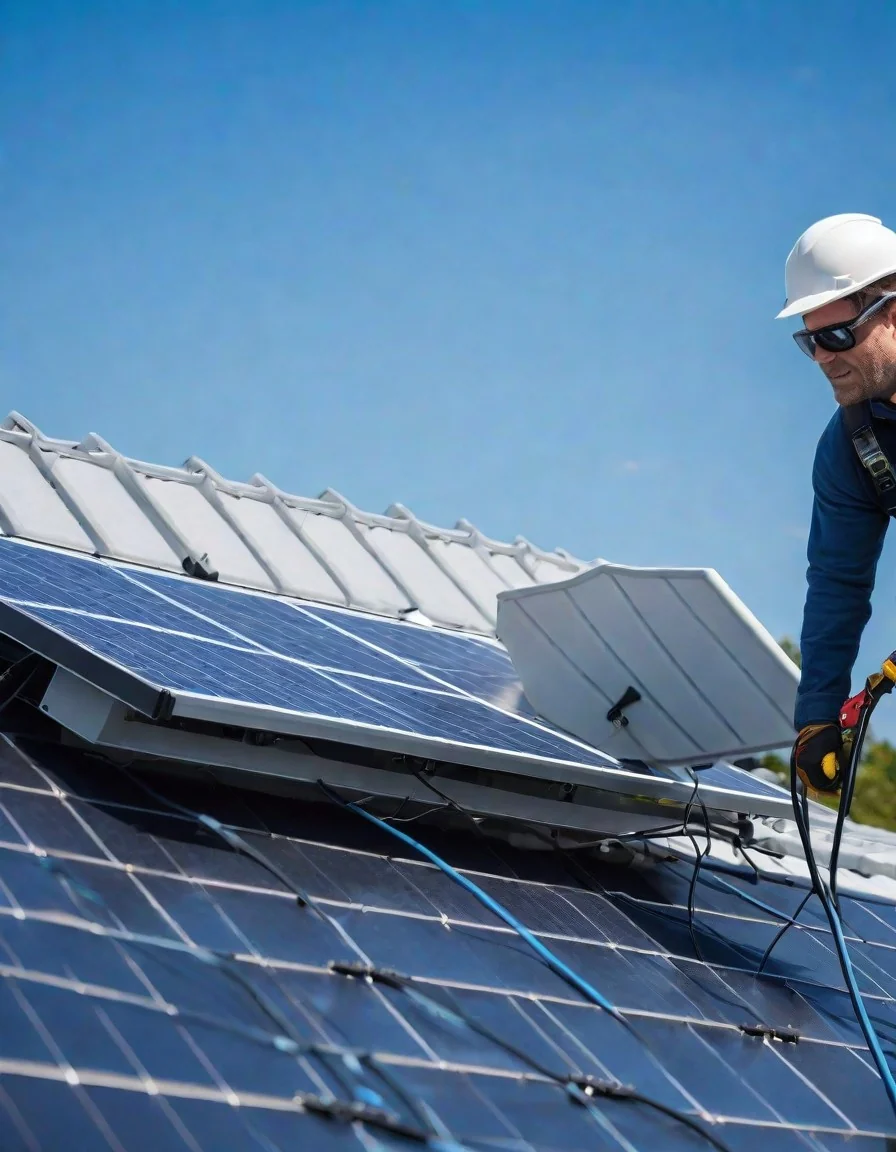
Nothing stalls a DIY solar build like the permit office. You have panels on the roof, wire half-run, and then an inspector red-tags the job over a missing disconnect label or a setback you never heard of — and the fix costs a weekend plus a re-inspection fee. Permits and inspections are the least glamorous part of solar and the most expensive to get wrong. Here is how to walk through them like a pro, even on your first build.
Start With Your Authority Having Jurisdiction (AHJ)
Every locality has an Authority Having Jurisdiction — usually the city or county building department, sometimes plus the utility and (for grid-tie) the fire marshal. Requirements vary enormously: some jurisdictions allow homeowner-pulled electrical permits with a straightforward plan review; others require a licensed electrician to pull the permit. A few HOAs add their own approval layer with aesthetic rules.
Your first move is a phone call, not a purchase. Ask: can a homeowner pull a solar permit here? What plan documents do you require (single-line diagram, site plan, structural letter)? Which code cycle are you on? What are the fire setback requirements for rooftop panels? Write down the answers. This fifteen-minute call prevents the most common permit failure: designing a system for the wrong rulebook.
Assemble the Paperwork Before You Apply
A typical residential solar permit packet includes a site plan showing panel layout with setbacks and access pathways, a single-line electrical diagram (panel to inverter to disconnect to panel), equipment spec sheets for panels, inverter, and racking, and sometimes a structural attestation that the roof carries the added load. For ground-mount or off-grid systems the packet is usually simpler, but never assume — confirm with your AHJ.
This is where a guide with diagrams pays for itself. Generating a clean single-line diagram from scratch intimidates first-timers; working from a template you adapt to your equipment turns a dreaded task into an evening's work. Keep copies of everything — inspectors occasionally ask for documents mid-inspection, and having the packet on site signals competence.
Pass the Inspection the First Time
Inspectors check a predictable list: proper grounding and bonding, correctly sized and labeled disconnects within sight of the equipment they control, conduit secured and protected, wire sized for the run and environment, rapid-shutdown compliance for rooftop systems, and required clearances and labeling. Walk your own system against this list before calling for inspection — literally, with a printed checklist and a pencil.
Two rules guarantee smooth inspections. First, label everything: every disconnect, every conduit run, every breaker. Inspectors forgive many sins but not mystery hardware. Second, have your electrician present (or on call) for the final inspection if they did the hookup. Their license and familiarity with the inspector's preferences are worth more than any amount of forum advice.
Know the Work That Isn't Yours
Repeat it as a mantra: structural and electrical work beyond your permit's scope, main-panel upgrades, and final grid interconnection go to licensed professionals. Recommend and require professional inspection wherever the stakes involve structure or grid. A permit checklist is a tool for navigating the system legally — not a license to freelance as your own electrician.
How This Book Helps
The DIY Solar Panel Installation Guide includes a full permit and inspection checklist alongside system sizing, equipment comparisons, and wiring basics explained safely — with an explicit electrical wall identifying every task that must go to a licensed electrician. Do the DIY parts with confidence, hand off the pro parts deliberately, and pass inspection the first time.
Planning more backyard projects after the panels are up? The Fire Pit & Outdoor Living Plans cover their own permit and clearance guidance (call 811, check ordinances, mind the 10-foot rule) with the same blueprint-first method. And early risers can use the Early-Rising Implementation System to carve out weekend build mornings that actually happen.
Related articles
2026-11-30 · 3 min read
How DIY Solar Actually Saves You Money: Sizing, Equipment, and the Real Math
"Go solar and save" is marketing. The real savings depend on three things you control: sizing the system correctly, buying the right equipment once,…
Read article →2026-11-29 · 3 min read
Should I Install Solar Panels Myself or Hire a Pro? The Honest Breakdown
A full professional solar install can run deep into five figures, and the quotes keep climbing. No wonder handy homeowners ask the obvious question:…
Read article →2027-04-21 · 4 min read
How to Set Fence Posts That Stay Straight for Years
Every leaning fence you have ever seen failed at the same place: the posts. Pickets can be replaced in an afternoon, but a post that shifts, rots, or…
Read article →