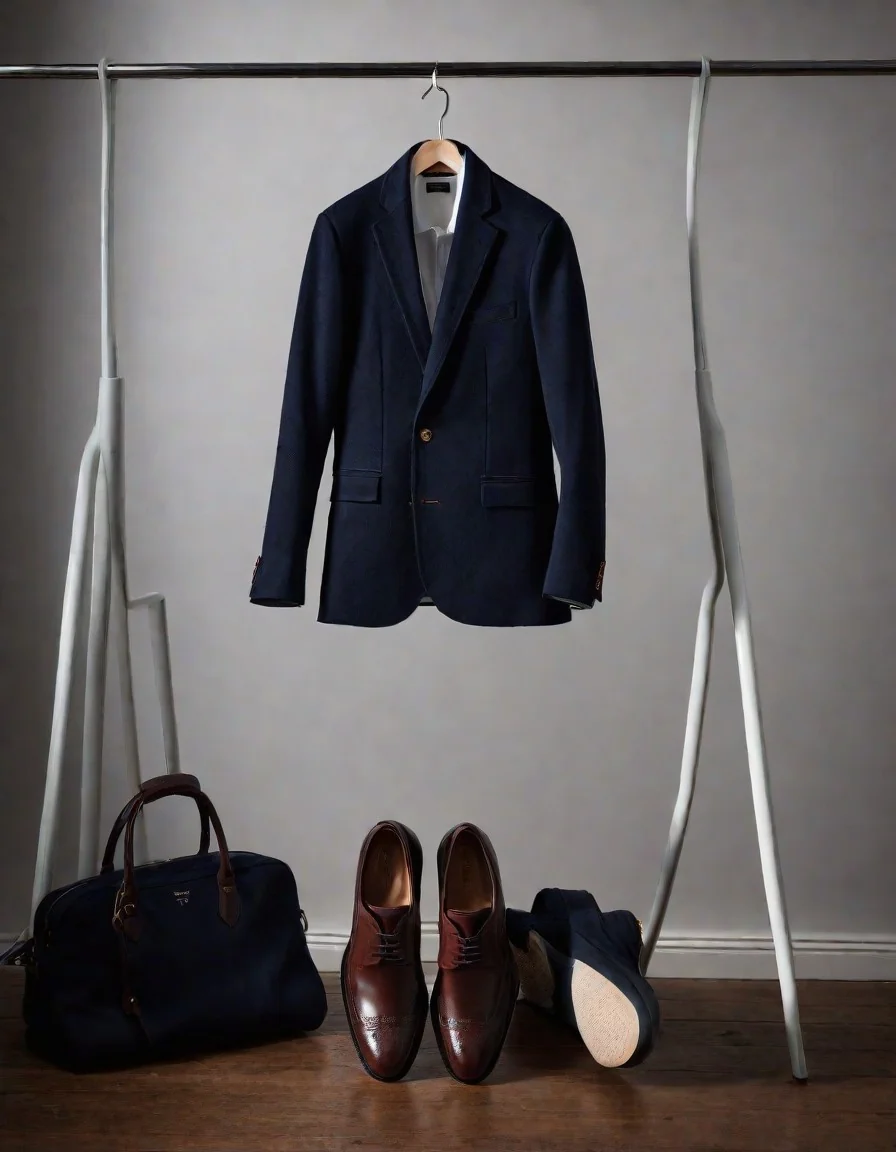
2027-01-02 · 4 min read
What Is Decision Fatigue Costing You Every Morning?
The average man makes a dozen micro-decisions before 8 a.m. — and the closet is the first drain on the day's willpower. Stand in front of eighty…
By AeternusVita
We make the products recommended here.
The average man makes a dozen micro-decisions before 8 a.m. — and the closet is the first drain on the day's willpower. Stand in front of eighty uncoordinated items, try combinations in your head, change twice, leave late wearing the safe outfit anyway. Multiply by 250 working mornings a year. A capsule wardrobe doesn't just change how you look; it gives you back the best-thinking hour of every day. Here's the full accounting of what those mornings cost and how a fixed system repays you.
Your brain budgets decisions like money — mornings spend most
Decision quality degrades with volume: psychologists call it decision fatigue, and the research pattern is consistent — the more trivial choices you burn through early, the worse your judgment gets later on the choices that matter. High performers who famously wore the same thing daily weren't making fashion statements; they were protecting cognitive budget for actual work. You don't need a single uniform to get most of that benefit — you need a closet where every combination is pre-approved.
Count the real cost of a chaotic closet. Ten minutes of choosing, two outfit changes, one "this doesn't work" discovery at the mirror, the low-grade irritation that follows you into the first meeting. Now add the hidden costs: duplicate purchases of the same safe shirt because you forgot you owned three, orphan pieces worn once, the tailor-worthy trousers that never got tailored because the system around them never existed. The closet isn't just wasting mornings — it's wasting money year-round.
A capsule turns getting dressed into a non-decision
The capsule's mechanism is simple: constrain the inputs so the outputs are always good. When every top was bought to match every bottom — because the whole 30-piece list was selected inside one skin-tone palette — there are no wrong combinations left to choose between. Getting dressed becomes selection, not problem-solving: clean, weather-appropriate, done in three minutes.
This is why the palette and piece list matter more than any single garment. A closet of individually nice clothes that don't coordinate still demands daily styling work. A capsule of coordinated pieces demands none. The outfit-formula page extends this further — pre-built formulas (this layer plus that shoe level equals this dress code) mean even unfamiliar occasions resolve in seconds. Men describe the first month of capsule dressing the same way: strangely calm mornings.

The confidence dividend nobody advertises
Dressing well consistently changes how rooms treat you, and — more importantly — how you carry yourself in them. The man who knows his clothes fit his body type and flatter his coloring stops adjusting, tugging, and wondering. That self-elimination of doubt reads as confidence because functionally it is confidence: attention freed from self-monitoring goes into the meeting, the date, the interview.
There's a compounding effect too. Compliments arrive more often when every day is a good-clothes day instead of one day in five. Each one reinforces the system, which keeps the standard effortless. Contrast that with the old cycle — dress well for the big day, feel the gap every ordinary day, slowly stop bothering. Consistency beats intensity in style exactly the way it does in training: the capsule is the routine that makes "well-dressed" your default rather than your event mode.
Time, money, and closet space: the measurable payback
Run the numbers. Fifteen minutes saved each morning is over sixty hours a year — a work week and a half returned. Shopping from a tiered list with a coordination rule (pairs with at least three owned pieces or it stays in the store) cuts annual clothing spend for most men, because orphan purchases and duplicates were the real budget leak, not prices. And the physical footprint shrinks: one organized rail and a drawer instead of a stuffed closet, spare room, and the chair.
Travel multiplies the return. A travel capsule drawn from the same coordinated pieces packs into a carry-on with zero outfit anxiety, because the coordination was settled at purchase time, not at midnight before the flight. Frequent travelers routinely call this the single best side effect — the suitcase that used to take an evening now takes twenty minutes.
How this book helps
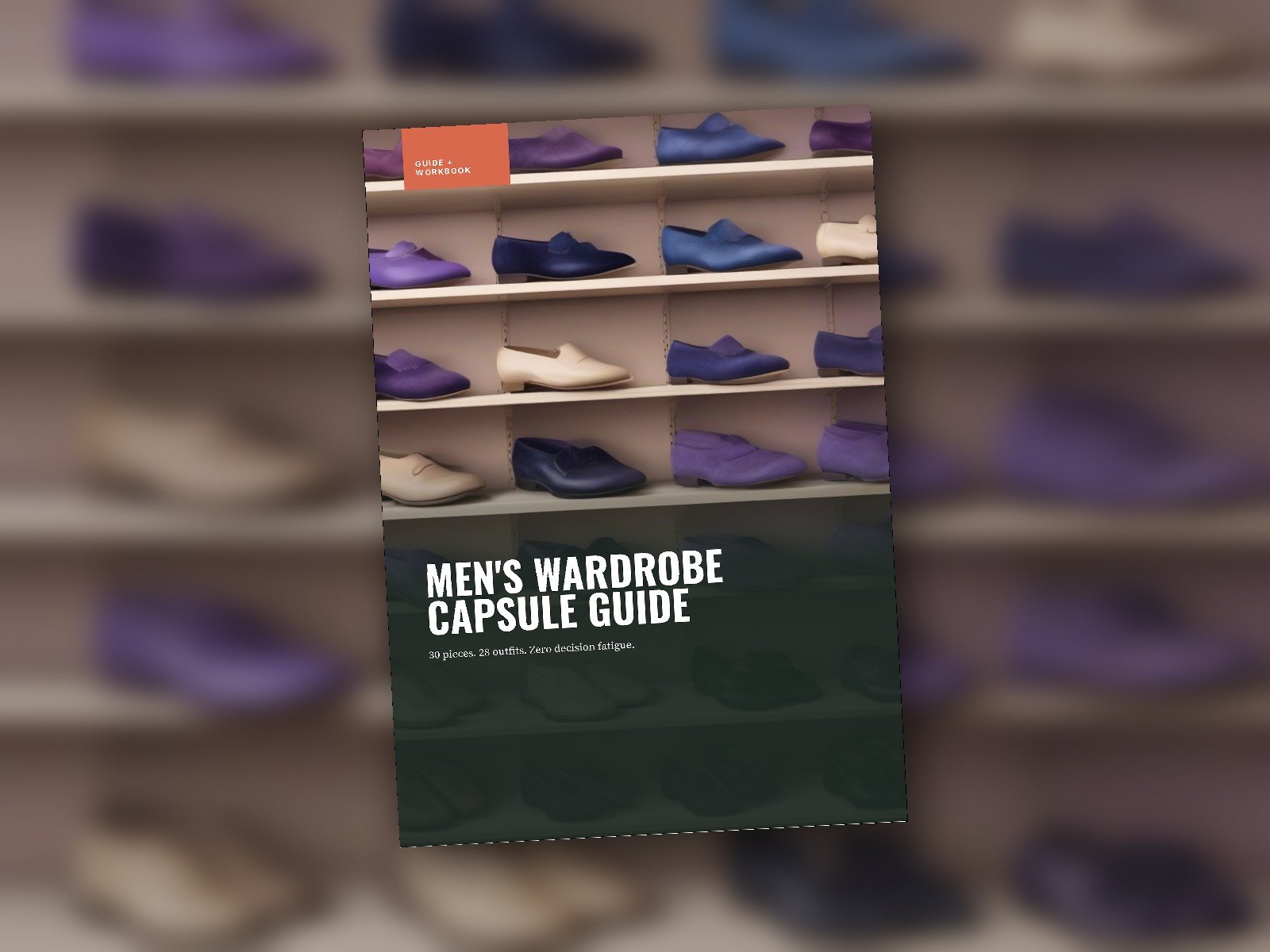
The Men's Wardrobe Capsule Guide builds the whole system: the 30-piece list in working proportions, body-type fit guidance, skin-tone palette, budget-tier shopping list with no brand names, fill-in outfit formulas, and the closet audit protocol. A style and shopping guide — individual results and budget vary — that replaces morning decisions with a page of answers.
Protect the calm mornings with the focus systems in Digital Declutter: Focus Restoration, and compound the presence it creates with Confidence Reboot Program.
Stop spending willpower on shirts. Spend it on your life instead.
Related articles
2027-01-03 · 4 min read
How to Audit Your Closet in One Weekend Afternoon
You can't build a capsule wardrobe inside a stuffed closet. The audit — a systematic clear-out that sorts every garment by fit, function, and…
Read article →2027-01-01 · 4 min read
How Many Clothes Does a Man Actually Need?
Open the average man's closet and you'll find eighty-plus items and nothing to wear. Duplicates of the same safe shirt, trousers that almost fit,…
Read article →2027-01-09 · 3 min read
How to Run a Wardrobe Audit and Build Your Capsule Step by Step
A capsule wardrobe sounds simple until you open your closet and face two hundred decisions. This step-by-step method — audit first, categories second,…
Read article →