2027-03-31 · 3 min read
How to Log Fabric, Blocks and Costs: Setting Up Your Quilting Planner
A practical setup guide: take a fresh quilting planner from empty binder to working system in one sitting. You need the printed pages, a binder with…
By AeternusVita
We make the products recommended here.
“A practical setup guide: take a fresh quilting planner from empty binder to working system in one sitting. You need the printed pages, a binder with…”
A practical setup guide: take a fresh quilting planner from empty binder to working system in one sitting. You need the printed pages, a binder with dividers, and one honest hour with your stash.
Step 1: Inventory the Stash Without Drowning
Start with the fabric inventory field-lists. Work shelf by shelf, logging collection, yardage and location — not every fat quarter individually, or you will quit by noon. Group ruthlessly: "blues, 12 yds total, bin 3" beats a perfect ledger you never maintain. Photocopy extra inventory sheets first; a growing stash needs growing pages.
While you are at it, build the pattern index cards: pattern name, designer, size range, and where the file or booklet lives. Future project planning starts here, not in a frantic drawer search.
Step 2: Enter Every Active Project
Now the twelve-project tracker. List every quilt currently in motion — yes, all of them, including the one you have not touched since spring. For each, record pattern, intended size, fabrics pulled, blocks completed, and above all the next step. Be brutally specific: "cut sashing strips" beats "keep going."
Projects beyond twelve go on the UFO accountability tracker with a date. Nothing is thrown away; everything is named and dated. That act alone dissolves half the guilt.
Step 3: Set Up Block and Yardage Worksheets
For each active quilt, start a block/yardage worksheet: the structured fields where your measurements, block counts and cutting notes live with the project. These are fields only — your pattern and fabric width determine the numbers, so compute from your pattern and record here. When you return to a quilt after months away, this page is the difference between resuming and restarting.
Keep a pencil clipped to the binder. Planner pages that cannot be scribbled on at the cutting table are decoration. Slip fabric swatches into small self-seal bags taped to the relevant tracker page — a two-inch square of each project fabric stapled to its entry ends all doubt about dye lots and matches months later. Photograph finished quilts and tuck a print behind the tracker page; years from now that photo-plus-notes spread is a portfolio of your work. And keep five blank tracker pages at the back of the binder at all times, because project thirteen always arrives sooner than you expect and the system should welcome it, not resist it.
Step 4: Start the Cost Log and the Quarterly Review
Open a cost-per-quilt log per active project and backfill what you remember: fabric, batting, pattern, any longarm costs. Do not aim for accounting perfection — rounded honest estimates beat precise records you never keep. Note gifted and inherited fabrics at their replacement value so the log reflects the quilt's true worth, and jot the intended recipient beside gift quilts so rushed Decembers never send the wrong quilt to the wrong person. Then calendar a quarterly review: update tracker statuses, promote a UFO back to active (or release one with a clear conscience), and tally costs. Fifteen minutes, four times a year, keeps the system alive indefinitely.
How This Book Helps
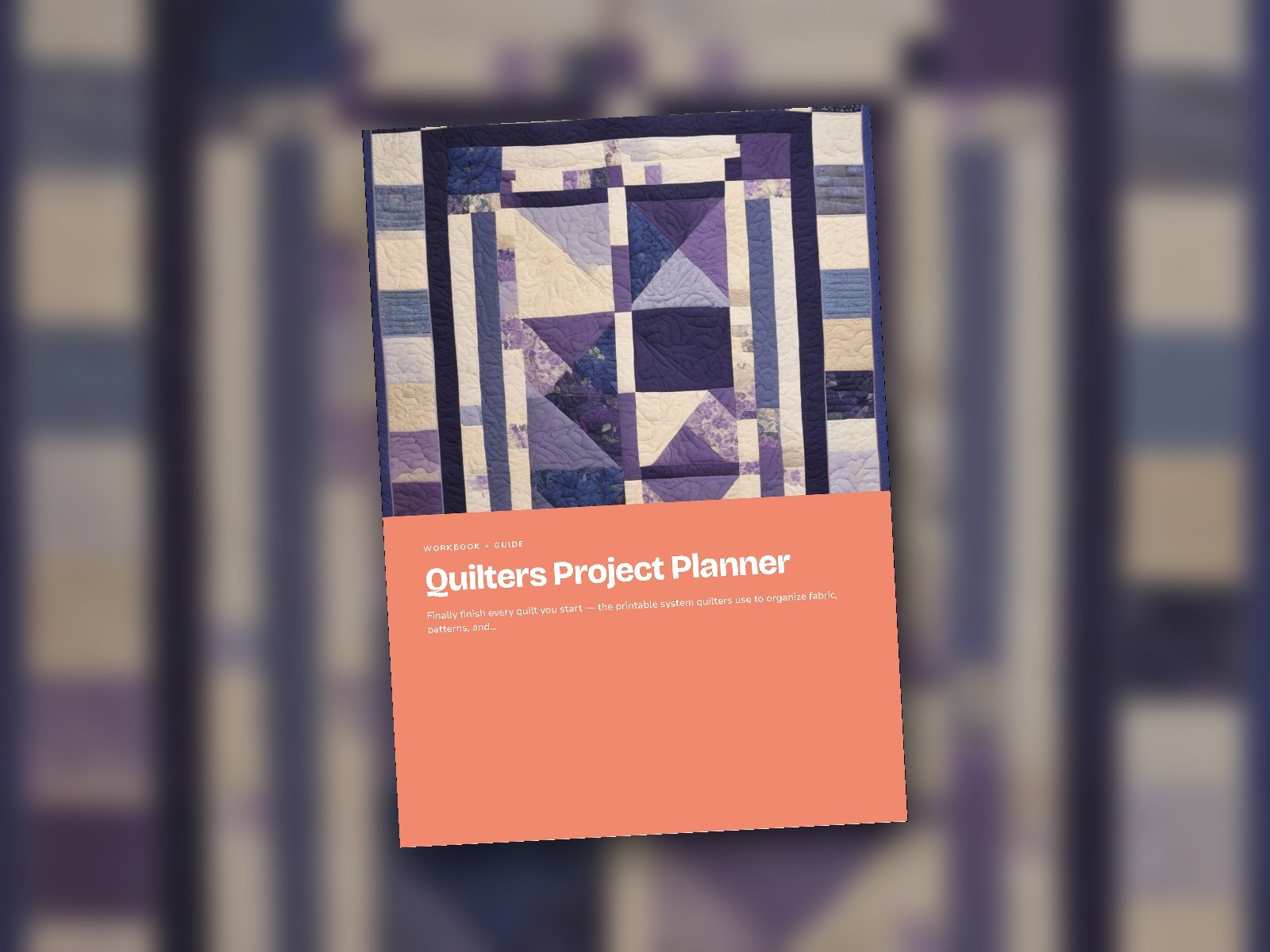
The Quilters Project Planner contains the twelve-project tracker, UFO page, cost log, fabric inventory lists, pattern index cards and block/yardage field worksheets as printable guide and workbook PDFs. Find it in the books catalogue.
If this kind of paper system clicks for you, the Tiny Greenhouse Plans Guide brings plan-on-paper thinking to the garden, and Cottagecore Recipe Cards do it for family recipes.
Related articles
2027-03-30 · 3 min read
Finish More of the Quilts You Start: Why a Twelve-Project Tracker Works
Every quilter knows the feeling: you start a quilt in a burst of love, stall at the borders, start something shinier — and a year later the unfinished…
Read article →2027-03-29 · 3 min read
How Do Quilters Keep Track of UFOs, Fabric Stash and Pattern Ideas?
Ask a quilter how many projects they have going and watch them laugh: a quilt on the frame, two tops waiting for binding, a drawer of patterns, and a…
Read article →