1 / 5
- Build planning
- Fish and plant pairing
- Water-quality log
- 63 printable pages
Backyard aquaponics guide and workbook
Plan the water loop before the build
Size a small system, map water flow, cycle before adding fish and keep welfare and water-quality observations together.
- Choose a site and scale using a decision table and worksheet
- Map tank, pump, tubing and grow-bed water movement
- Cycle the system before adding fish and record the readings
- Use the weekly welfare log and troubleshooting path inside the PDF
The Backyard Aquaponics Blueprint
£21
- +One combined 63-page guide and workbook PDF
- +Water-quality and welfare log inside the book
- +ZIP download with the PDF and README
One-off payment. Download after checkout.
30-day refund. If it isn't useful, reply to your receipt within 30 days for a full refund.
Instant PDF Print or tablet Any device
What it is+
Size a small system, map water flow, cycle before adding fish and keep welfare and water-quality observations together.
What's inside+
Site and scale decision tables; Water movement and equipment map; Cycle-before-fish guidance; Fish and plant pairing worksheet.
How to use it+
Check access, scale and local requirements with the opening worksheet. Draw the tank, pump, tubing and grow bed, then check the flow path. Cycle first. Record water and welfare observations after commissioning.
Delivery and refunds+
Digital PDF download after checkout. 63 pages. Refunds follow the policy shown at checkout.
Made for the moment you need a clear next page

You have a possible site
A patio or garden corner looks promising, but size and access still need a plan.
You have a parts list
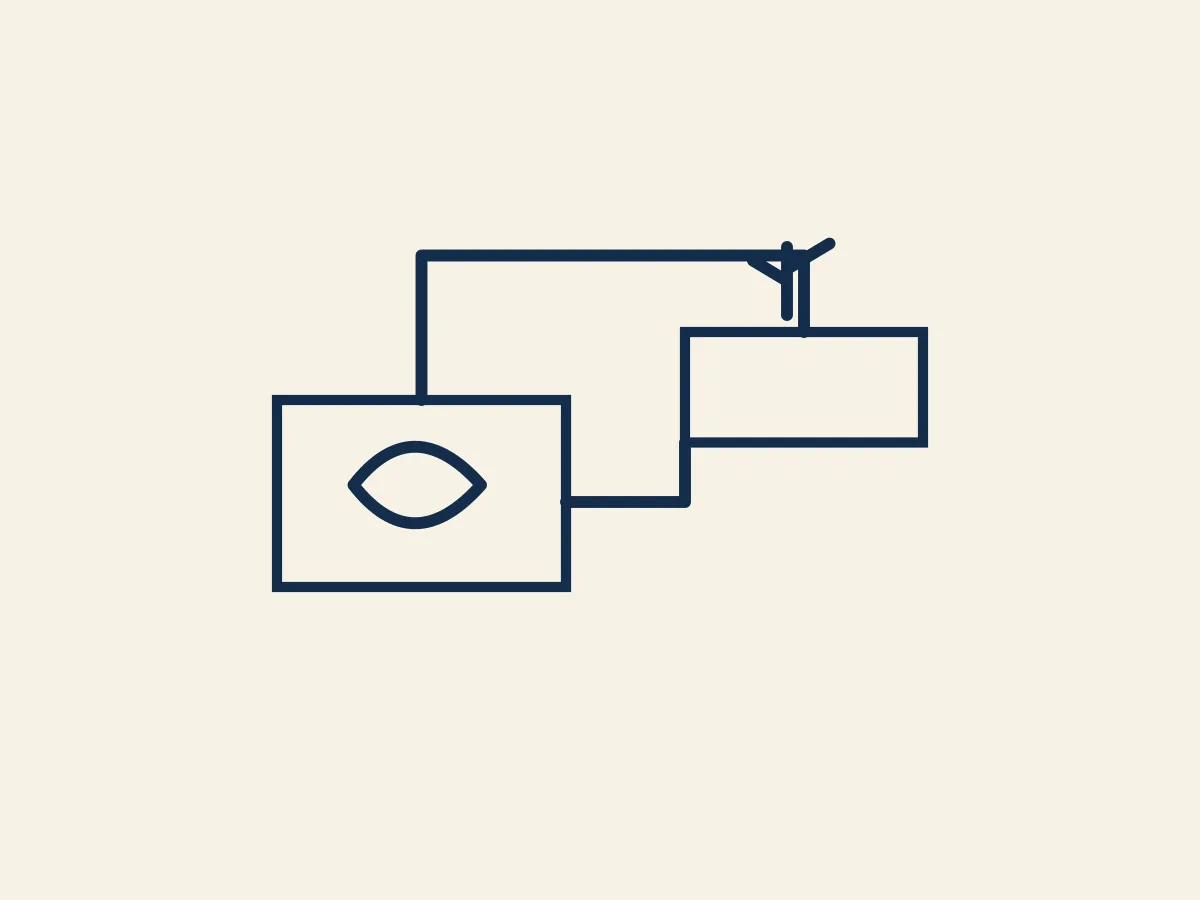
The pump, tank and grow bed need a water-flow map before you buy more.

You already have a small system
A weekly observation log helps you record water and fish welfare in one place.
The problem
A kit list cannot tell you when the water is ready
A backyard system joins living fish, plants, water and electrical equipment. A missing flow plan or a rushed cycle can put welfare at risk. The workbook slows the decision down with a site check, a water map and dated observations.


How it works
Decide, build and observe in stages
Each chapter pairs a five-step method with a decision table, worked example and worksheet. Start with site and scale, then water movement. Cycle before fish, pair species responsibly and use the maintenance log after commissioning.
This book and general advice
Why these pages are worth keeping
The book starts with the decisions that determine what equipment belongs on the list.
Cycling appears before fish selection and stocking, so the sequence keeps welfare visible.
The combined PDF places the build plan and ongoing logs in one file for reference beside the system.

Water movement01
Draw the route through the whole setup
Map where water leaves the tank, reaches the bed and returns. The worksheet keeps your own equipment and measurements beside the worked example.

Cycling and welfare02
Record readings before adding fish
The cycle chapter asks you to observe and date water readings before stocking. Fish and plant pairing follows that check, with local guidance taking priority.

As easy as it gets
Start with one page. Return when you can.
1Step 1
Choose the site
Check access, scale and local requirements with the opening worksheet.
2Step 2
Map the loop
Draw the tank, pump, tubing and grow bed, then check the flow path.
3Step 3
Keep a dated log
Cycle first. Record water and welfare observations after commissioning.
Timeline
What to expect
A suggested way to use the pages, with room for your own pace.
Choose a site and scale
Complete the starting worksheet before purchasing parts.
What's inside
- Site and scale decision tables
- Water movement and equipment map
- Cycle-before-fish guidance
- Fish and plant pairing worksheet
- Build and commissioning stages
- Weekly water-quality and welfare log
Preview the pages
Still have questions?
Is this a veterinary guide?+
No. The book is a DIY hobby guide. Fish health and welfare questions need qualified local advice.
Are the logs separate PDFs?+
The weekly log and flow troubleshooting path are inside the single combined 63-page PDF.
Do I need a printer?+
You can read the PDF on a screen. Print the writing pages, or annotate them in a PDF app if that suits you.
How do I get the book?+
The digital download is available after checkout. It contains 63 pages. Refunds follow the policy shown at checkout.
Instant PDF download · 63 pages · Read or print
Educational DIY and gardening content only. Follow local electrical, water and animal welfare rules, and seek qualified advice for fish health or unsafe equipment. Written with AI assistance, reviewed by AeternusVita.

The Backyard Aquaponics Blueprint