1 / 4
- 49-page PDF
- 30-day framework
- Stress signal guide
- Logs and worksheets
Rescue dog settling guide + workbook
Give your rescue dog room to settle
A practical guide for the first month at your dog's pace. Set up a quiet start, read stress signals in context and keep a record of what your dog shows you.
- Prepare a quiet area, a simple routine and a calmer arrival with fewer visitors
- Notice possible stress signals such as freezing, pacing and seeking distance
- Record routines, triggers and house-training observations in the workbook
- Use the 30-day framework as a flexible record, with space to pause and review
The Rescue Dog Rehabilitation Guide
£13
- +One combined 49-page guide and workbook PDF
- +Instant download: PDF files you can print or use on a tablet
One-off payment. Review refund terms at checkout.
30-day refund. If it isn't useful, reply to your receipt within 30 days for a full refund.
Instant PDF Print or tablet Any device
What it is+
An educational guide and workbook for settling a newly adopted dog. It covers a quiet arrival, reading stress in context, gentle routines and a flexible 30-day observation framework.
What's inside+
Four chapters with worked examples, worksheets, checklists and action cards. The workbook also includes 30 dated observation rows, trigger and house-training logs, and questions to take to a professional.
How to use it+
Read the safety notes first. Choose the chapter that matches today's decision, try its worked example, fill in your own observations and keep the action card handy. Review the record when circumstances change.
Delivery and refunds+
The delivery ZIP contains one combined 49-page PDF and a README. Check the refund terms at checkout before buying.
For the ordinary decisions in a new dog's first month

You're preparing for arrival
You want to decide where your dog can rest, how the day will run and which visits can wait.

Your dog retreats from visitors
Freezing or moving away leaves you unsure what to do next. You need a way to note the context and make room for retreat.

Routines are still taking shape
Meals, outings and house-training attempts vary from day to day. You want a dated record to discuss when something changes.
The first days
A new home gives you a lot to read at once
A dog may need quiet rest while you are trying to understand appetite, sleep, visitors and toileting. A frozen pause or a step away can be easy to overlook unless you note what happened just before it. The guide helps you start with a simple routine and record the dog's response before deciding what to try next.


How the guide works
Observe, choose a small step, record it
Each chapter moves from a decision to a worked example, worksheet, checklist and action card. Begin with the smallest safe step, such as preparing a quiet area. Write down what you observed, what you chose and when to review it. The 30-day pages organise those notes; the dates do not set a deadline for your dog.
This guide vs a short general article
Why write down what your dog shows you?
The quiet-arrival chapter starts with choices you can make at home: a place to rest, a simple routine and fewer demands from visitors.
The stress chapter asks what happened before a signal, how far away the trigger was and what helped the dog recover. Those details give a professional something concrete to assess if you need help.
Dated routine and house-training logs let you compare what happened across days. The next action stays open to revision as you learn more.
01 / Quiet arrival01
Make space before asking for more
The opening chapter walks through a quiet area, a simple routine, visitor limits, and notes on sleep and appetite. Its worksheet asks where your dog can rest undisturbed and what you still need to ask the vet. A dated decision gives everyone in the household the same starting point.

02 / Stress and trust02
Notice the signal, then give room
Freezing, lip licking, pacing, moving away or a change in appetite may signal stress. The chapter asks you to look at context, create distance and allow a safe retreat. You can record what happened and bring persistent or escalating concerns to a qualified professional.
03 / Routine and records03
Use the log when the routine changes
The house-training chapter covers predictable outings, quiet praise and calm clean-up after accidents. Its log has room for timing, place, response and follow-up. The 30-day pages then bring routine and stress observations together for review at your dog's pace.
As easy as it gets
Start with the safety notes, then use one chapter at a time.
 1
Step 1
Read the safety notes
Check when the book says to seek veterinary or qualified behaviour help before you make a plan.
2Step 2
Choose one decision
Try the worked example in the chapter you need, then write your own facts on its worksheet.
3Step 3
Date the next review
Use the checklist and action card. Note what changed so you can adjust the plan or ask for help.
Timeline
What to expect from the 30-day pages
These are prompts for observation, not targets for behaviour change. Repeat or pause a step when your dog needs it.
Record a quiet baseline
The first rows invite notes on rest, appetite, routine and any stress signal you notice after arrival.
What's inside the 49-page PDF
- Safety notes and guidance on when to seek veterinary or qualified behaviour help
- Chapter 1: quiet arrival, rest, routine, visitors and the first worksheet
- Chapter 2: stress signals in context, distance, safe retreat and trust-building choices
- Chapter 3: predictable outings, house-training observations and calm clean-up
- Chapter 4: a flexible 30-day framework for settling, routine, confidence and review
- A worked example, worksheet, checklist and action card for each chapter
- Thirty dated observation rows, plus trigger and house-training logs
- Professional referral questions to take into a conversation about health or behaviour
Preview the pages
Still have questions?
Is this a strict 30-day programme?+
No. The 30 days are a way to organise observations. The guide says to move at the dog's pace and pause introductions when stress rises.
What if my dog is still fearful after a month?+
The calendar does not set a deadline for settling. Keep the relevant notes and seek qualified, humane behaviour help if fear persists or escalates.
Does it replace a vet or behaviour professional?+
No. This 49-page guide is educational and cannot diagnose or treat a dog. Contact a vet for health concerns and arrange qualified, humane behaviour support for escalating aggression or behaviour you cannot safely manage.
Are the guide and workbook separate files?+
The current delivery is one combined 49-page PDF, supplied in a ZIP with a README.
What records can I fill in?+
There are chapter worksheets, 30 dated observation rows, and logs for triggers and house-training. The prompts ask for context, the dog's response and a next check.
How do delivery and refunds work?+
The listed delivery is a digital ZIP containing the PDF and README. Review the refund terms shown at checkout before purchase.
Digital ZIP · one 49-page PDF + README
Educational guidance only. This guide is not veterinary advice, diagnosis or treatment. For aggression, health concerns or behaviour you cannot safely manage, consult a veterinarian or qualified humane behaviour professional. Written with AI assistance, reviewed by AeternusVita.
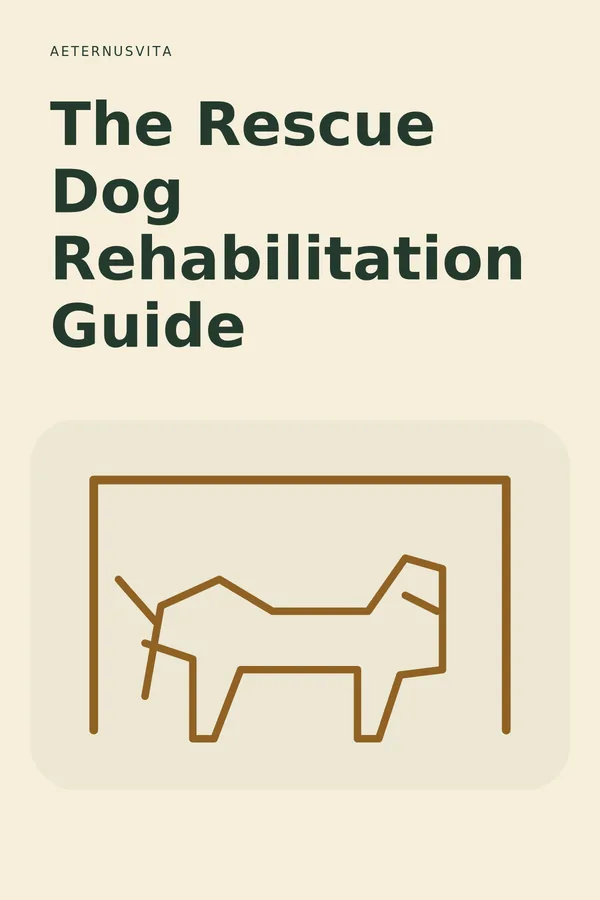
The Rescue Dog Rehabilitation Guide