2026-12-05 · 4 min read
What Should I Do If My Dog Is Choking? The First 60 Seconds That Matter
It happens in seconds: the panicked pawing at the mouth, the retching with no sound, the wide terrified eyes. A choking dog cannot wait for a vet visit…
By AeternusVita
We make the products recommended here.
It happens in seconds: the panicked pawing at the mouth, the retching with no sound, the wide terrified eyes. A choking dog cannot wait for a vet visit or a search-results page. What you do in the first minute decides the outcome — and most owners have never rehearsed it. This is the response sequence to learn before you need it, plus the preparation that makes it possible under panic.
Recognize True Choking First (Seconds 0–15)
Dogs cough, gag, and reverse-sneeze for harmless reasons all the time. True choking looks different: repeated forceful retching with nothing coming up, pawing frantically at the mouth, drooling, blue-tinged gums, and visible panic. Noisy struggle that produces air movement is actually reassuring — it means air is passing. Silent distress with no airflow is the emergency.
If the dog is coughing forcefully and moving air, resist the urge to reach into the mouth; you risk pushing the object deeper or getting bitten badly. Keep the dog as calm as you can, watch closely, and be ready to act if it goes silent. Call your vet or emergency clinic while you assess so help is already moving.
The Response Sequence (Seconds 15–60)
If airflow is blocked: open the mouth carefully — press the lips into the teeth to discourage biting — and look. If you can clearly see the object and can grasp it without pushing, sweep it out with a finger. One attempt; if it isn't easily reachable, stop blind finger sweeps, which lodge objects deeper.
For a small dog, hold them head-down and deliver several firm taps between the shoulder blades. For a larger dog, the canine equivalent of abdominal thrusts applies: stand behind, place hands below the ribcage, and give sharp inward-upward thrusts. Then recheck the mouth. Alternate back blows and thrusts until the object dislodges or you reach the vet. Someone should be driving already — choking that doesn't resolve in a minute needs professional hands, and driving while panicking wastes the window.
After It Comes Out: You Are Not Done
A dislodged object doesn't end the emergency. Throat tissue swells, esophageal scratches can worsen, and partial fragments may remain. Call the vet even after a "successful" rescue: describe the object, the duration, and the dog's current breathing. Watch for continued gagging, refusal to eat, labored breathing, or lethargy over the next 24 hours — all reasons for an exam. Keep the object if you can; identifying it helps the vet assess chemical or sharp-edge risks.
Prevention and Preparation Beat Heroics
Most choking involves known culprits: rawhide chunks, bones splintered to swallowable size, toys with squeakers or detachable parts, balls small enough to lodge, food gulped unchewed. Size toys to the dog, supervise chews, and consider slow-feeder bowls for gulpers. None of this is exciting; all of it outperforms any rescue technique, because the emergency that never happens needs no hero.
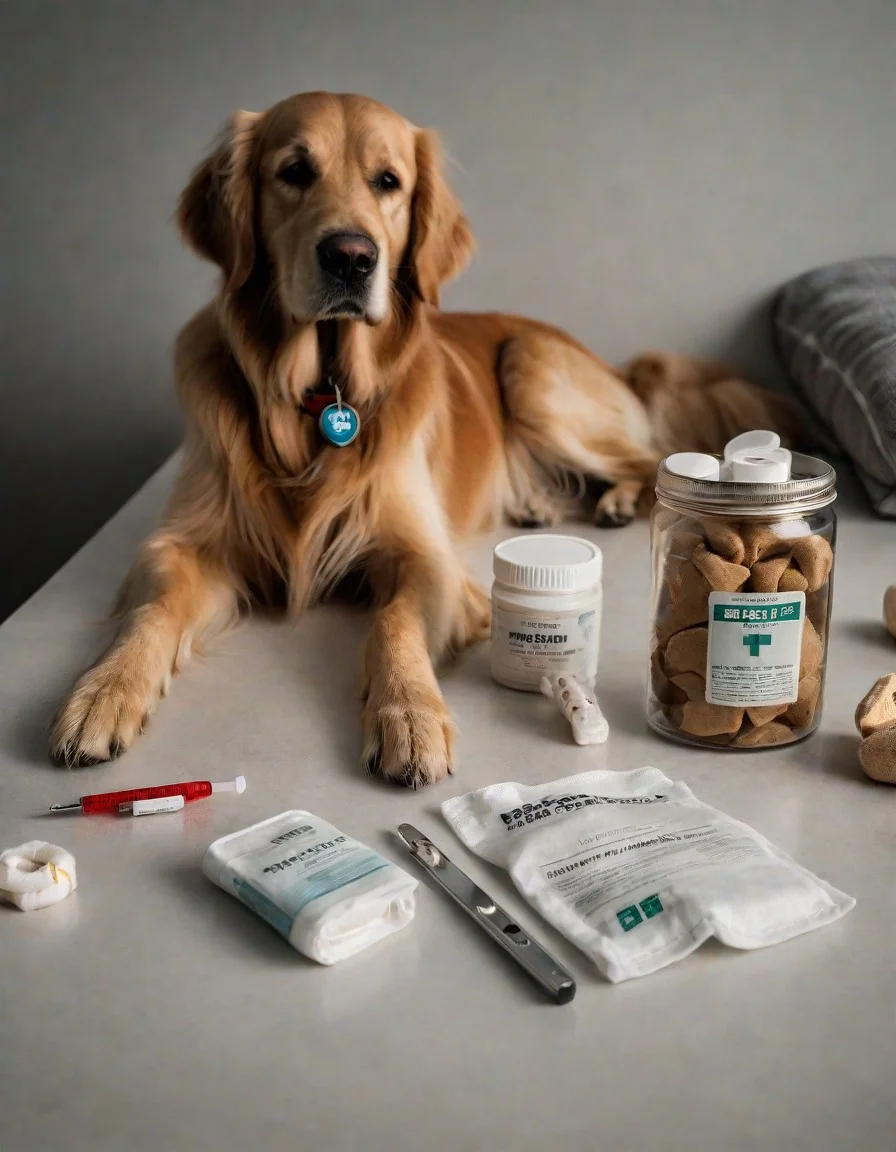
And preparation is a physical object, not a bookmark. In a real emergency you won't have time to search the internet — you need a printed reference by the door, a stocked first-aid kit, and an emergency contact card with your vet, the nearest ER clinic, and poison control already filled in. Panic deletes memory; paper doesn't panic.
How This Book Helps
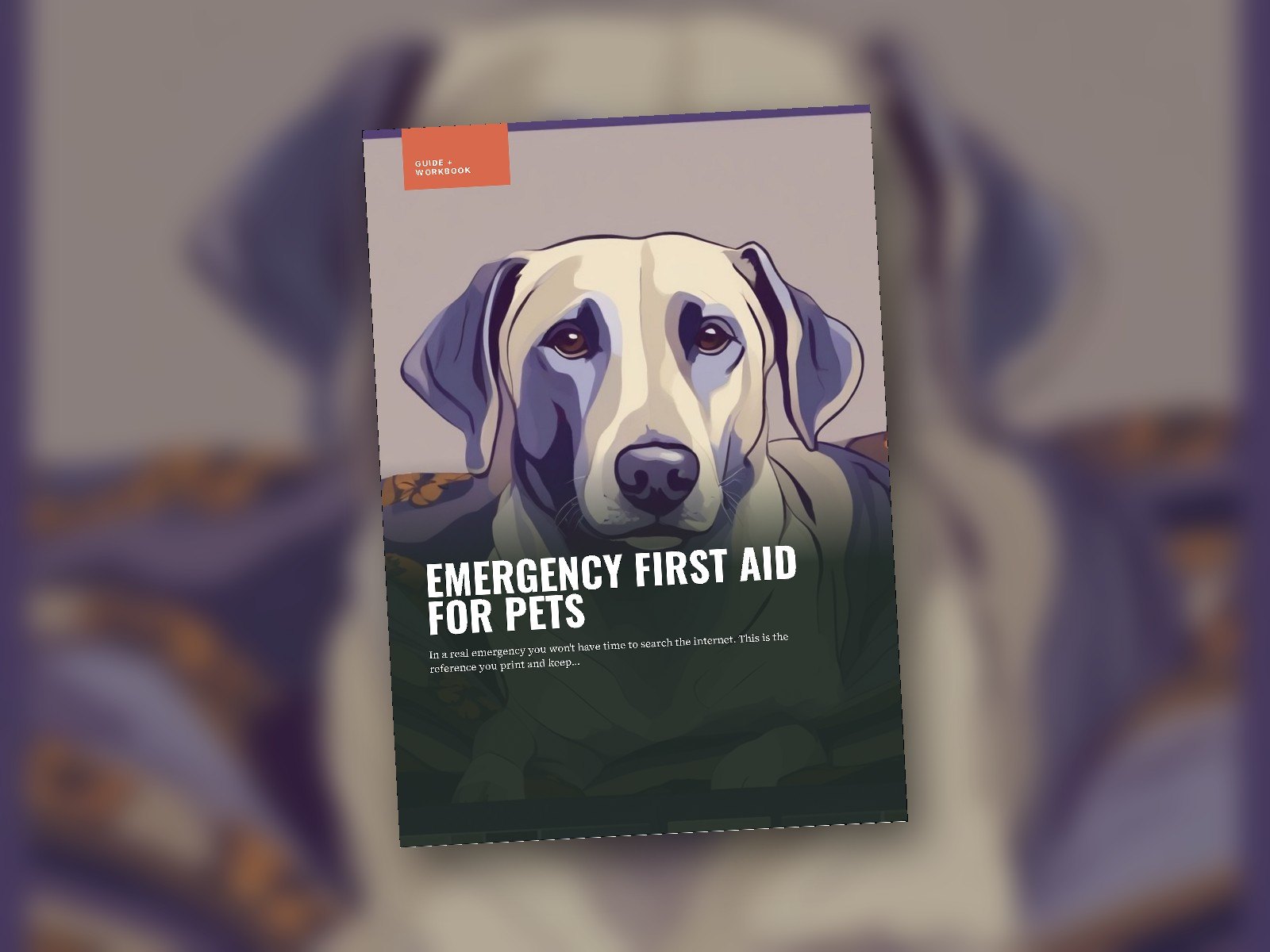
Emergency First Aid for Pets is the print-and-keep reference for exactly these minutes: choking, bleeding, poisoning, heatstroke, and seizure response steps, plus a home first-aid kit checklist and an emergency contact card. Keep it by the door so the first 60 seconds run on rehearsal instead of guesswork. (Always consult your vet for medical symptoms — this guide supports, never replaces, veterinary care.)
Pet lovers building a keepsake collection will also enjoy Custom Pet Portrait AI Prompts — 50 prompts to turn pet photos into frame-worthy art. And families with kids and pets alike can anchor the household rhythm with the Christian Family Bible Reading Plan.
Related articles
2026-12-07 · 4 min read
Pet Heatstroke and Poisoning: How to Respond Before You Reach the Vet
Two of the fastest-moving pet emergencies share a trait: the owner's first actions matter more than anything the clinic does later. In heatstroke, core…
Read article →2026-12-06 · 4 min read
Why Every Pet Home Needs a First-Aid Kit and an Emergency Contact Card
Nobody plans a pet emergency. The dog eats the dropped medication on a Sunday evening. The cat slices a paw on a broken glass nobody noticed. The power…
Read article →2027-03-28 · 3 min read
How to Set Up Your Emergency Sub Folder: Cover Sheet, Schedule, Roster and Report
A how-to guide for the single highest-leverage Sunday project in teaching: building the emergency sub folder that lives in a known spot and saves every…
Read article →