
2027-01-04 · 3 min read
Should I Buy an AI Side-Project Ideas Book? An Honest Answer
You've seen the promises everywhere: "Turn ChatGPT into income in 30 days!" with dollar figures that smell like fiction. If that hype is exactly what…
By AeternusVita
We make the products recommended here.
“You've seen the promises everywhere: "Turn ChatGPT into income in 30 days!" with dollar figures that smell like fiction. If that hype is exactly what…”
You've seen the promises everywhere: "Turn ChatGPT into income in 30 days!" with dollar figures that smell like fiction. If that hype is exactly what makes you hesitate, good — your skepticism is the right filter. So should you buy an AI side-project ideas book? It depends on what the book actually promises.
What most AI side-hustle books get wrong
Most books in this niche sell earnings figures instead of ideas. They promise income ranges, "first dollar" timelines, and giant prompt libraries that turn out to be filler. When the numbers do the selling, the ideas are usually thin — and you end up with 300 generic prompts and no plan.
What an honest overview should give you instead
A book worth your money does something smaller and more useful: it lays out a set of concrete project ideas, each with a target market, a realistic startup cost, the tool categories involved, and how the idea could scale. No earnings figures. No "guaranteed" anything. Just enough structure that you can compare ten directions side by side and pick one to test.
Ask these questions before buying any AI business book:
- Does it name a target market per idea, or just vibes?
- Does it state startup costs honestly?
- Does it tell you what to do in week one?
- Does it admit results depend on your effort?
If the answer to all four is yes, the book is a legitimate short-cut to clarity.
Who this kind of book is for (and who should skip it)
This format fits beginners who feel paralyzed by choice: creators, freelancers, and curious employees who want a first AI project but don't know which direction fits them. It is not for experienced AI builders — you already know the landscape. And if you want step-by-step build instructions for one specific business, buy a specialized manual instead of an overview.
How to spot the income-claim trap in seconds
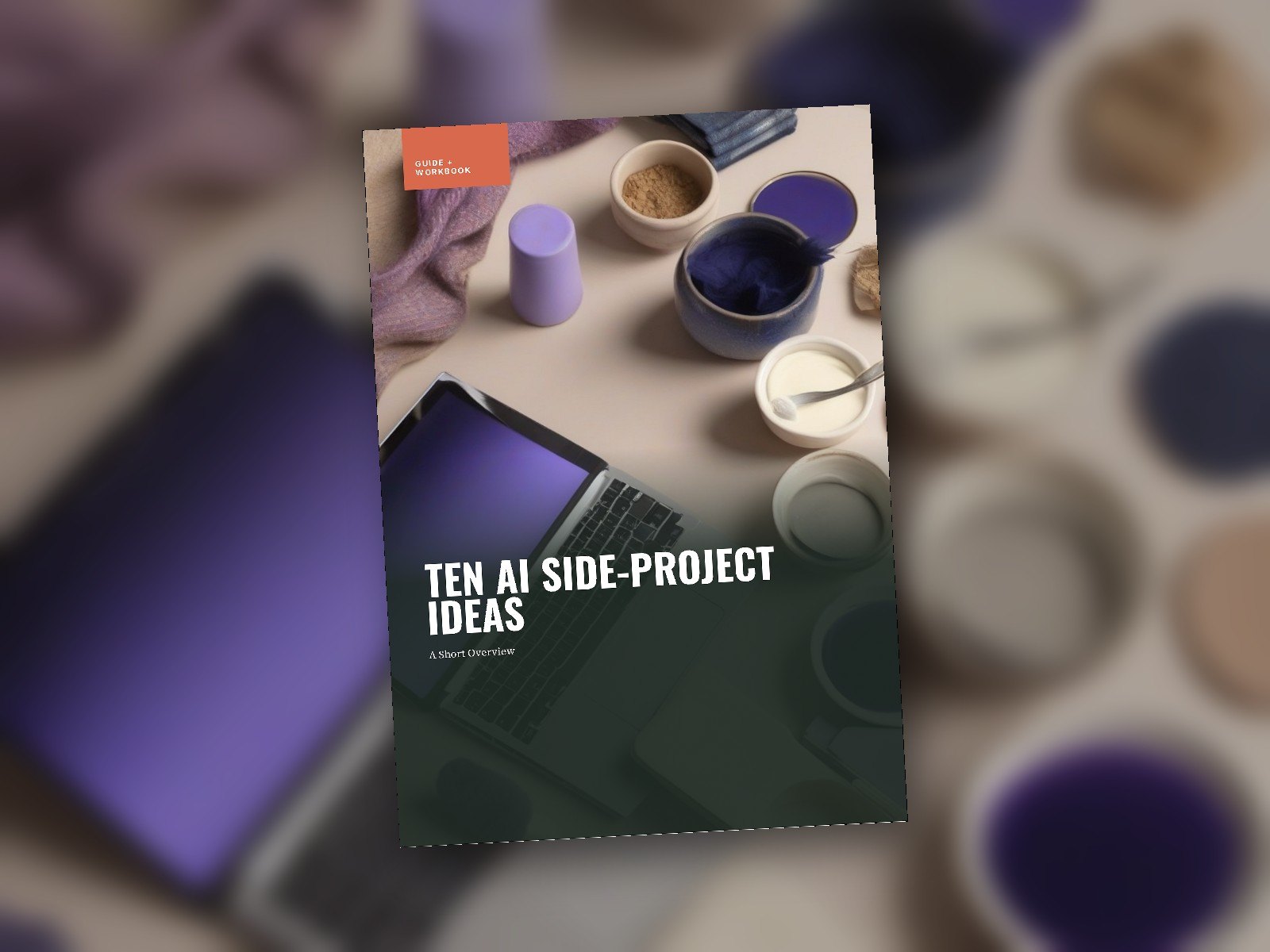
Open the sales page and search for dollar signs. Also check the cover: if it shouts prompt counts and cash figures while the actual contents are a short overview, the packaging is selling a different product than the pages deliver. Honest listings lead with what's inside — ideas, tasks, plans — and put the no-guarantee disclaimer where you can read it before paying, not buried in a PDF footer afterward.
The "no income guaranteed" test
Here's the simplest buyer rule in this niche: if a book guarantees income, walk away. Realistic educational products state plainly that results depend on effort, market conditions, and execution. That disclaimer isn't a weakness — it's the mark of a product you can trust to be straight with you elsewhere too.
How this book helps
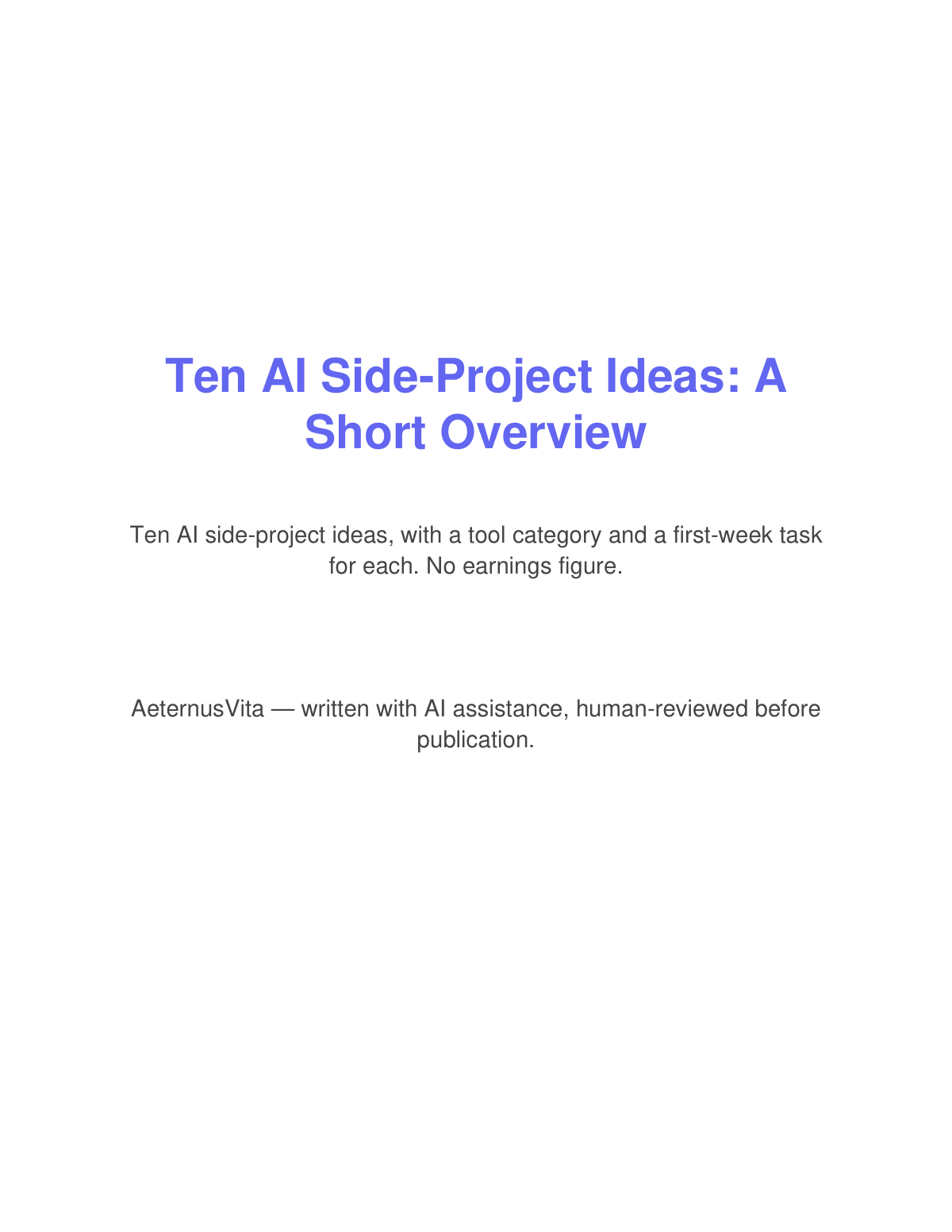
Ten AI Side-Project Ideas: A Short Overview is built around exactly this honest format: ten AI side-project ideas with target market, startup cost, tool categories, and scaling tips for each, plus 50 blank prompt lines to develop your own angles and a first-four-weeks plan so you know what to do after you pick. Educational content only — no income figures, no hype.
If mindset is the other half of your battle, pair it with The Money Magnet Morning Ritual, a fifteen-minute morning practice for framing your day around abundance while you build. And if you want a structured writing habit to clarify your goals, The Manifestation Scripting System gives you a six-week scripting practice with a daily ledger.
Related articles
2027-01-06 · 3 min read
How to Use the 50 Prompt Lines and First-Four-Weeks Plan
Buying an ideas book is easy. Using it is the hard part. This guide shows you how to work the two most practical features of an AI side-project…
Read article →2027-01-05 · 3 min read
How an Honest AI Ideas Overview Helps You Pick Your First Project
The hardest part of starting an AI side project isn't the technology — it's choosing. There are dozens of plausible directions, every YouTuber shouts a…
Read article →2027-03-29 · 3 min read
How Do Quilters Keep Track of UFOs, Fabric Stash and Pattern Ideas?
Ask a quilter how many projects they have going and watch them laugh: a quilt on the frame, two tops waiting for binding, a drawer of patterns, and a…
Read article →