2027-03-22 · 3 min read
How to Track Preserving, Pantry Stock, and Cottage-Food Income in One Binder
Harvest season generates three things: food, paperwork, and anxiety about the paperwork. Jars without labels, a freezer nobody inventoried, jam sold at…
By AeternusVita
We make the products recommended here.
Harvest season generates three things: food, paperwork, and anxiety about the paperwork. Jars without labels, a freezer nobody inventoried, jam sold at the farmstand with no record of cost or revenue — the homestead runs fine until someone asks "did the preserves actually pay?" or "is this soup from 2023 or 2025?"
One binder with three sections solves all of it. Here is the setup.
Section 1: the preserving log (what you made, and whether it is safe to eat)
Every batch gets one line: date, recipe source and page, batch size, processing method and time, jar sizes, storage location, and a taste/yield note opened later. This is partly pride — yield records tell you how many tomato plants "enough salsa" requires — and partly safety: if a recipe question ever arises, you know exactly which book and method each jar followed.
Golden rules to write on the section's first page: label every jar with contents and month/year before it cools; store in the cool and dark; when in doubt about a seal or a recipe's safety, throw it out and check current official canning guidance. The log supports safe practice — it never replaces tested recipes or local regulations.
Section 2: the pantry and freezer inventory (stop buying duplicates, stop finding fossils)
The system is a running list per storage zone: item, quantity, date stored, use-by target. Update it on preserving days and do a 20-minute count monthly. Two columns make it powerful: "have" and "need-by" — the second drives the grocery list and next year's planting plan.
The payoff is immediate and measurable: fewer duplicate purchases, less waste from forgotten food, and a real answer to "are we set for winter?" Rotate oldest-first (first in, first out), and note anything that consistently goes uneaten — that crop or bulk buy shrinks next year.
Section 3: the cottage-food income ledger (prove the enterprise works)
If you sell anything — eggs, jam, bread, seedlings — track it like the business it is. Per enterprise: date, item, quantity, price, direct costs (ingredients, packaging, market fees), and running profit. Monthly, total each enterprise; yearly, decide what expands and what was an expensive hobby.
This ledger also keeps you honest with regulators: cottage-food rules vary by state and locality, covering what you may sell, labeling, and where. Log what the rules require, follow your local regulations for cottage food sales, and get professional advice rather than guessing — the planner reminds you at each step but is organizational content, not legal advice.
The monthly 30-minute routine that keeps all three alive
Systems die without maintenance, so schedule it: last Sunday of the month, 30 minutes. Reconcile the preserving log with what is actually on shelves. Count the freezer. Total the ledger. Write three lines in the annual-review section while observations are fresh. Twelve of these sessions a year is the difference between a binder and a paperweight.
How this book helps
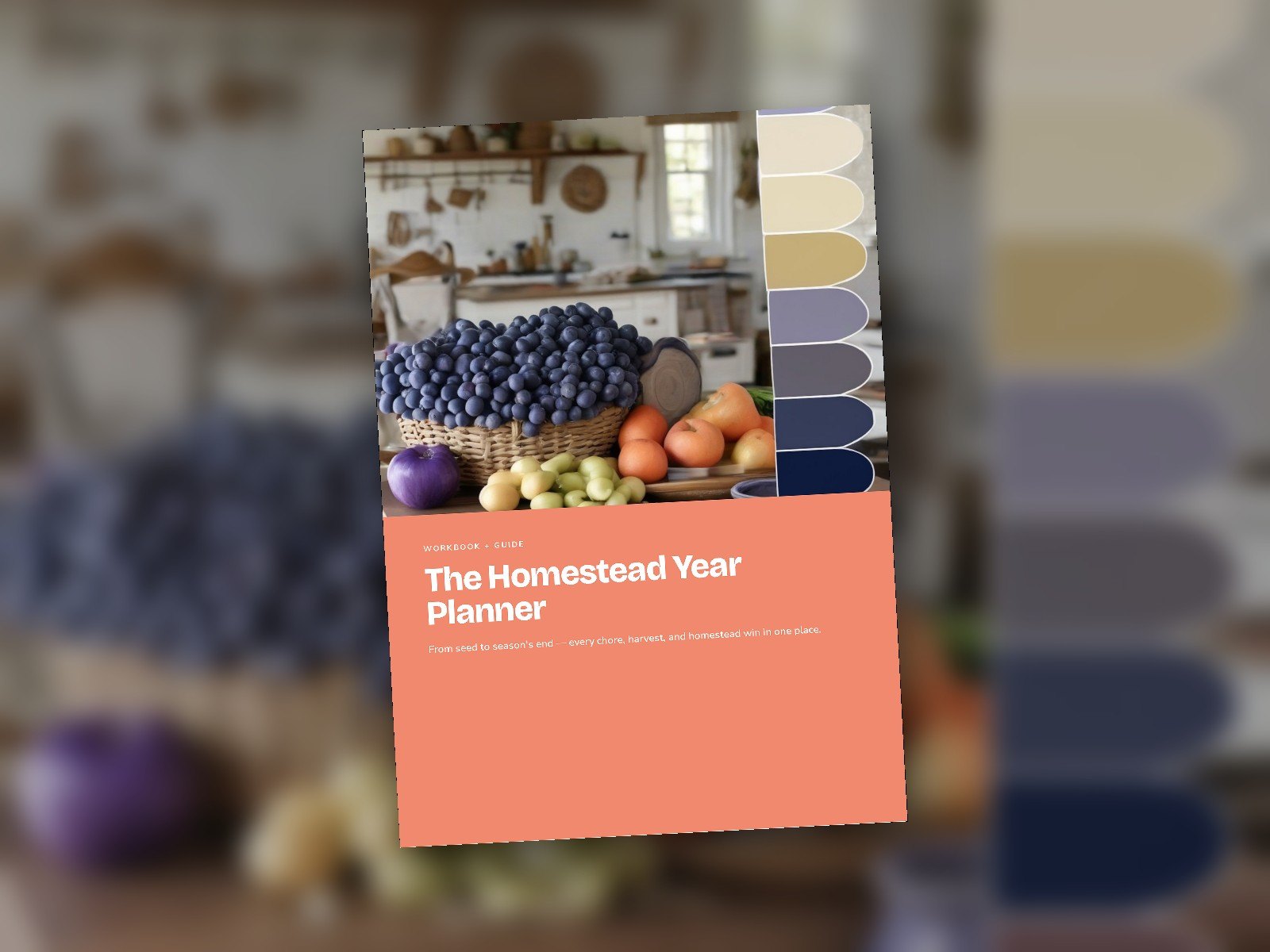
The Homestead Year Planner (https://www.aeternusvita.io/en/products/cat/books/spite-stack) ships these exact sections ready to print: preserving and canning schedules, pantry inventory sheets, a cottage-food-friendly income ledger, plus garden maps, livestock logs, and the annual review — guide plus twelve-month planning-wheel workbook in one delivery ZIP.
Fence that homestead income properly with the Weekend Fence Builder's Guide if livestock containment is on this year's list, and if the bigger dream is turning homestead skills into a livelihood, The Soul Purpose Prosperity Path maps strengths to a sellable offer.
Label the jars. Count the freezer. Total the ledger. The binder pays for itself by October.
Related articles
2027-03-20 · 3 min read
How Do You Plan a Full Homestead Year Without Dropping Anything?
Every January, homesteaders make the same resolution: this year, nothing falls through the cracks. By July, the cracks have the canning jars, the…
Read article →2027-03-21 · 3 min read
Why a Garden Bed Map and Crop Rotation Plan Save Your Harvest
Ask a veteran gardener their highest-ROI habit and many will say the same unglamorous thing: writing down what grew where. Bed maps and rotation plans…
Read article →2027-04-21 · 4 min read
How to Set Fence Posts That Stay Straight for Years
Every leaning fence you have ever seen failed at the same place: the posts. Pickets can be replaced in an afternoon, but a post that shifts, rots, or…
Read article →