2026-11-18 · 3 min read
Greens vs Browns Explained: The Simple Ratio Behind Fast, Rich Compost
Every composting guide chants "greens and browns" — and every beginner wonders why colors matter and how exact the ratio must be. Here is the…
By AeternusVita
We make the products recommended here.
“Every composting guide chants "greens and browns" — and every beginner wonders why colors matter and how exact the ratio must be. Here is the…”
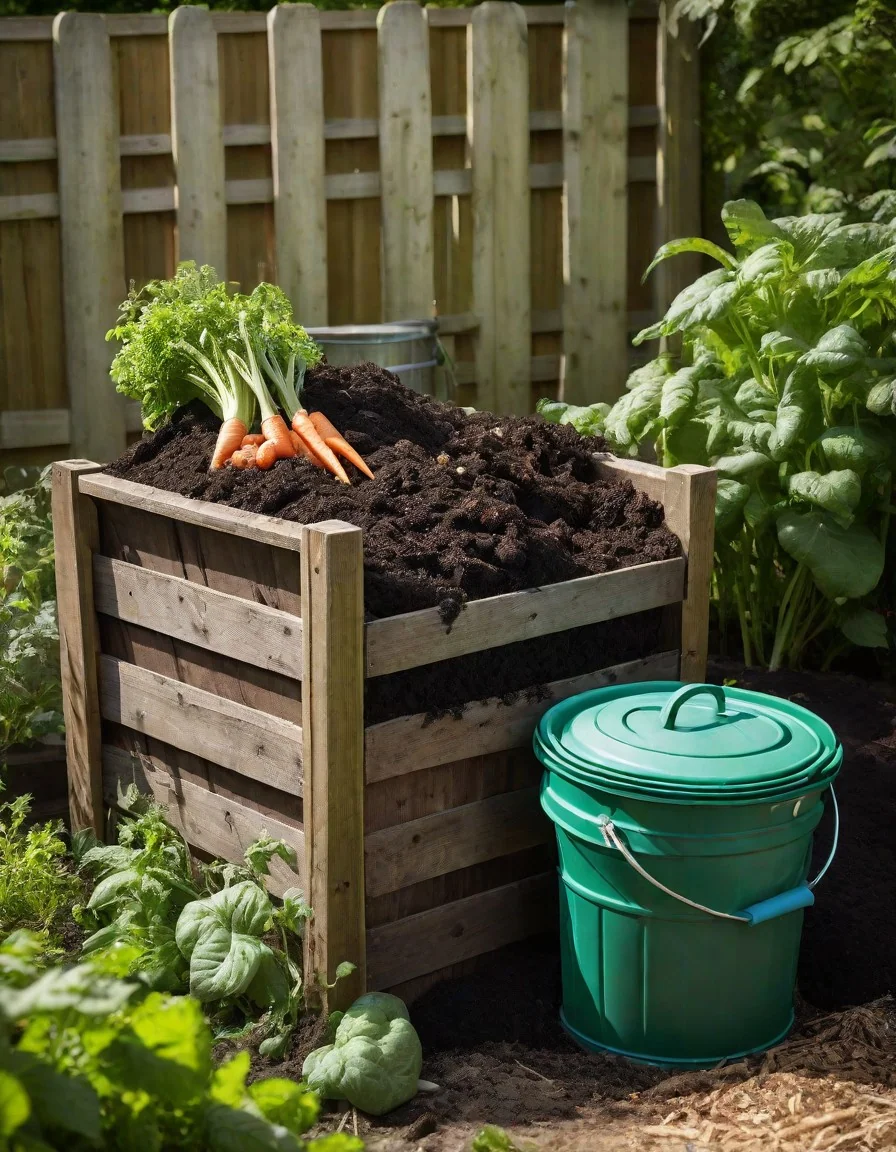
Every composting guide chants "greens and browns" — and every beginner wonders why colors matter and how exact the ratio must be. Here is the plain-English version: the colors are shorthand for chemistry, the ratio is forgiving, and one simple habit covers nearly all of it.
What the colors actually mean
"Greens" are moist, nitrogen-rich materials: fruit and vegetable scraps, coffee grounds, tea leaves, fresh grass clippings, pulled weeds before they seed. "Browns" are dry, carbon-rich materials: fallen leaves, shredded cardboard and newspaper, straw, wood chips, dried stems.
Microbes burn carbon for energy and use nitrogen to build their bodies — roughly 25–30 parts carbon to 1 part nitrogen by weight is their ideal diet. You never need to weigh anything; the practical translation is about two to three parts browns to one part greens by volume, because browns are light and fluffy while greens are dense and wet.
The one habit that replaces the math
Cover every deposit of kitchen scraps with a thick layer of browns — several inches, every time. This single habit auto-balances most home piles: it adds the carbon greens lack, traps nitrogen and moisture, blocks odors, and hides food from flies and rodents. Keep a bin of shredded cardboard or dry leaves next to the pile so the cover is always within reach.
If you remember nothing else, remember this: greens alone go slimy, browns alone sit forever, and covered-together they turn into soil.
Reading your pile like a gauge
Your pile reports its ratio visually. Slimy, smelly, matted layers mean too many greens — mix in browns and turn. A pile that sits cold and unchanged for months means too many browns or too little moisture — add greens, water to wrung-sponge dampness, and turn to mix. Steam on a cool morning and visible settling within days mean you have nailed it.
Grass clippings deserve special care: spread thin or mixed with browns, they are superb greens; dumped in a thick heap, they mat into a stinking slab within days. Same material, different handling, opposite results.
Shortcuts worth knowing
Chop inputs small — a whole cabbage stalk outlasts a season, shredded it vanishes in weeks. Coffee grounds count as greens despite being brown-colored (the color rule is chemistry, not paint). Eggshells add grit and calcium but decompose slowly unless crushed. And keep the troublemakers out entirely: meat, dairy, oils, pet waste, glossy or heavily inked paper, and weeds gone to seed or diseased plants.
Layer bulky browns at the pile base for drainage and airflow, then alternate thinner green-brown layers as you build. Turn every week or two when the pile is active. Newcomers often ask whether ratios change by method: tumblers and small bins run wetter and hotter, so they want extra browns, while big slow piles forgive almost any ratio given time. Whatever system you use, the cover-every-deposit habit keeps you in the safe zone, and a simple log of what you added and when turns guesswork into a repeatable recipe within a season.
How this book helps
The Composting Mastery System (available here) explains the carbon/nitrogen balance in plain language with troubleshooting charts for every stall, plus a seasonal maintenance schedule and tracking workbook.
Your finished compost will want a home: the Container Gardening Complete System turns it into heavy harvests from small spaces. For the bigger self-sufficiency picture, the Backyard Chicken Coop Master Plans show how a flock and a pile feed each other — literally.
Home composting guidance only — keep meat, dairy, pet waste, and diseased plants out of home systems.
Related articles
2026-11-17 · 3 min read
Why Does My Compost Smell? Fixing Odor, Pests and Soggy Piles
A healthy compost pile smells like forest floor — earthy and mild. A pile that reeks of rot, ammonia, or garbage is telling you exactly what is wrong…
Read article →2026-11-19 · 4 min read
How to Start Composting in a Small Backyard: Bin Setup and Seasonal Schedule
You do not need acreage, expensive tumblers, or a strong stomach to compost — a square meter of yard and a simple bin will convert a household's scraps…
Read article →2027-04-21 · 4 min read
How to Set Fence Posts That Stay Straight for Years
Every leaning fence you have ever seen failed at the same place: the posts. Pickets can be replaced in an afternoon, but a post that shifts, rots, or…
Read article →