2026-11-17 · 3 min read
Why Does My Compost Smell? Fixing Odor, Pests and Soggy Piles
A healthy compost pile smells like forest floor — earthy and mild. A pile that reeks of rot, ammonia, or garbage is telling you exactly what is wrong…
By AeternusVita
We make the products recommended here.
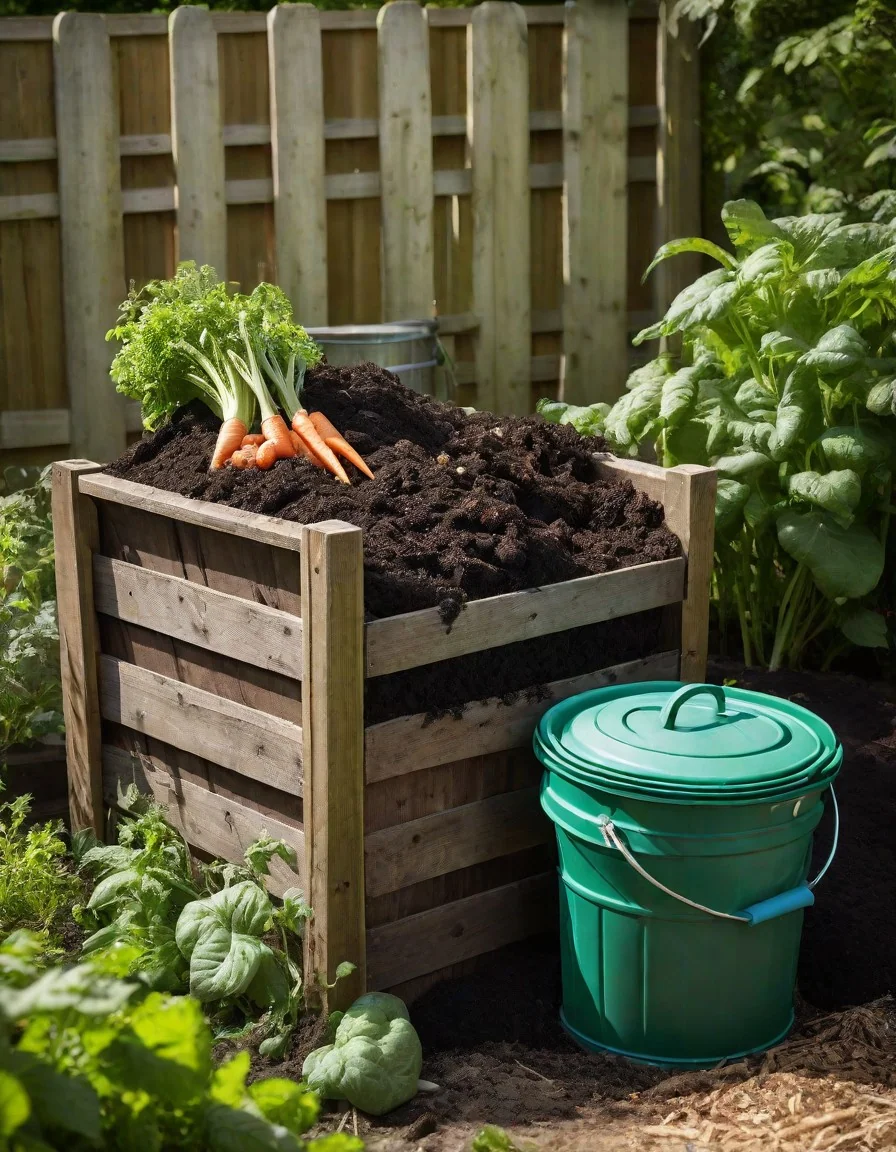
A healthy compost pile smells like forest floor — earthy and mild. A pile that reeks of rot, ammonia, or garbage is telling you exactly what is wrong with it. The good news: nearly every compost smell traces back to two fixable causes, and most piles recover within days once you correct them.
The rotten-egg or garbage smell: too wet, too green
Slimy, stinking piles are almost always too heavy on nitrogen-rich "greens" (food scraps, grass clippings) and too light on carbon-rich "browns" (dry leaves, shredded cardboard, straw). Packed greens squeeze out airflow, go anaerobic, and start to rot instead of decompose.
Fix it in three moves. First, stop adding greens for a few days. Second, mix in a generous layer of browns — aim for roughly a handful of browns per handful of kitchen scraps going forward. Third, turn the pile with a fork to reintroduce air pockets. You should notice the smell fading within 48 hours as aerobic microbes take over again.
The ammonia smell: excess nitrogen on top
A sharp ammonia or urine-like tang means nitrogen is volatilizing off an uncovered pile — common when fresh grass clippings or scraps sit exposed on top. The fix is covering: bury every fresh scrap deposit under several inches of browns. This traps nitrogen (keeping it in your compost instead of the air), discourages flies, and hides food from rodents.
Chop or tear inputs into smaller pieces while you are at it. Smaller particles compost faster and are far less likely to mat into smelly layers.
Flies, maggots and furry visitors
Fruit flies and maggots mean exposed food — the bury-under-browns rule solves most of it. A lidded bin or wire mesh around an open pile handles the rest. For rodents, add two hard rules: never compost meat, dairy, oils, or pet waste in a home pile, and keep the bin base secure with mesh if rats are a local issue.
A correctly built pile is uninteresting to pests: hot, earthy-smelling, and with nothing recognizable as food on the surface. If animals keep visiting, the pile is telling you scraps are too accessible — add more cover material.
The "nothing is happening" pile: too dry
The opposite failure is a pile that never heats up and looks unchanged for months. Squeeze a handful: it should feel like a wrung-out sponge. If it crumbles dry, water it in layers as you turn, then cover to hold moisture. Dry piles also stall when they are all browns — shredded leaves alone need greens mixed in to give microbes nitrogen to work with.
Give any fix one to two weeks before judging. Compost runs on microbe time, not human time — but a pile with air, moisture, and balance will show warming and settling within days.
How this book helps
The Composting Mastery System (available here) gathers this troubleshooting into one complete guide: the carbon/nitrogen balance explained simply, fixes for smell and pests, and a seasonal maintenance schedule — plus a companion workbook for tracking your pile.
Finished compost needs a destination: the Container Gardening Complete System shows exactly how to put black gold to work in pots and raised beds. And if backyard self-sufficiency is the goal, the Backyard Chicken Coop Master Plans pair beautifully — coop bedding makes superb pile browns.
Home composting guidance only — check local rules on open piles and keep meat, dairy, pet waste, and diseased plants out of home systems.
Related articles
2026-11-18 · 3 min read
Greens vs Browns Explained: The Simple Ratio Behind Fast, Rich Compost
Every composting guide chants "greens and browns" — and every beginner wonders why colors matter and how exact the ratio must be. Here is the…
Read article →2026-11-19 · 4 min read
How to Start Composting in a Small Backyard: Bin Setup and Seasonal Schedule
You do not need acreage, expensive tumblers, or a strong stomach to compost — a square meter of yard and a simple bin will convert a household's scraps…
Read article →2027-04-21 · 4 min read
How to Set Fence Posts That Stay Straight for Years
Every leaning fence you have ever seen failed at the same place: the posts. Pickets can be replaced in an afternoon, but a post that shifts, rots, or…
Read article →