2026-11-19 · 4 min read
How to Start Composting in a Small Backyard: Bin Setup and Seasonal Schedule
You do not need acreage, expensive tumblers, or a strong stomach to compost — a square meter of yard and a simple bin will convert a household's scraps…
By AeternusVita
We make the products recommended here.
You do not need acreage, expensive tumblers, or a strong stomach to compost — a square meter of yard and a simple bin will convert a household's scraps into free soil within months. Here is the minimal setup that works, and the year-round rhythm that keeps it working.
Pick a spot and a bin
Choose a level, well-drained spot with partial shade — full sun bakes piles dry, full shade is fine but slower. Keep it convenient to the kitchen door (distance kills the habit) with room to stand a fork beside it, and confirm any local rules on open piles or bin placement first.
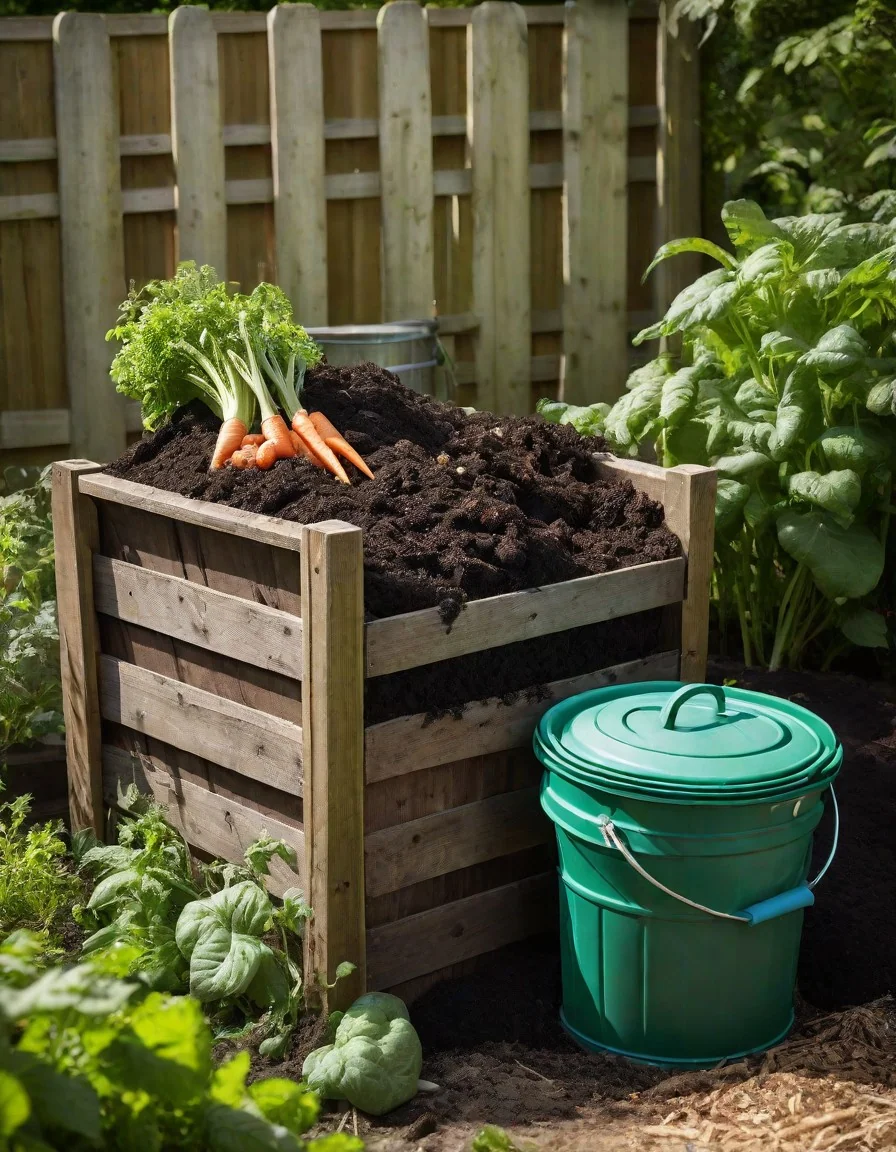
Any ventilated container around a cubic meter works: slatted pallets wired together, a wire-mesh cylinder, or a store-bought lidded bin. The non-negotiables are airflow (gaps or vents in the sides), ground contact (so worms and microbes can migrate in), and a way to reach the material for turning. Start with a coarse base layer of sticks or straw for drainage.
The first month: build, cover, wait
Begin with browns — several inches of dry leaves or shredded cardboard. Then alternate: each kitchen-scrap deposit buried under several inches of browns, each grass-clipping load mixed with browns rather than dumped. Water lightly if the material feels dry; a wrung-out sponge is the target dampness.
Do not expect heat in week one. Microbe populations build over two to three weeks, then the pile should warm, settle, and start shrinking — settling is your proof of life. Turn the pile after the first few weeks to aerate, and resist poking it daily; compost rewards benign neglect punctuated by turning.
The seasonal rhythm
Spring is peak season: turn the whole pile, harvest finished compost from the bottom for planting beds, and restart with the winter's accumulation. Summer demands moisture watch — water during dry spells and keep a thick brown cap against flies. Autumn is a gift: stockpile fallen leaves in bags or a spare bay, because winter you will be grateful for every one. Winter slows but rarely stops a decent-sized pile; keep feeding it, insulate with extra browns, and plan on spring finishing what cold paused.
Once a year, sift or fork out the dark, crumbly finished layer — anything chunky goes back in as starter. A household pile typically yields its first real harvest within three to six months of correct operation.
Harvesting your first black gold
You will know compost is finished when it is dark, crumbly, and earthy-smelling, with no recognizable scraps — typically three to six months in a well-run home pile. Screen it through half-inch mesh if you want a fine product for seed starting; use it rough as mulch around established plants. Top-dress beds with an inch or two in spring, side-dress hungry crops like tomatoes mid-season, and mix a shovelful into every planting hole. Homegrown compost steadily replaces bagged fertilizer while improving soil structure year after year.
Mistakes that stall beginners
Four traps catch nearly everyone: no browns stockpiled (then every scrap deposit goes uncovered), scraps too big (chop them), the pile too dry (water in layers as you turn), and forbidden inputs — meat, dairy, oils, pet waste, and diseased plants do not belong in a home pile. Fix any one of these and most "failed" piles restart within a fortnight.
How this book helps
The Composting Mastery System (available here) walks through bin setup with material lists, the carbon/nitrogen balance in plain terms, smell-and-pest troubleshooting, and a full seasonal maintenance schedule with a tracking workbook.
Put your harvest to work with the Container Gardening Complete System — ideal for small yards. And if the small-yard homestead dream keeps growing, the Backyard Chicken Coop Master Plans are the natural next project.
DIY guidance only — check local ordinances on compost placement and consider professional advice for large structures.
Related articles
2026-11-18 · 3 min read
Greens vs Browns Explained: The Simple Ratio Behind Fast, Rich Compost
Every composting guide chants "greens and browns" — and every beginner wonders why colors matter and how exact the ratio must be. Here is the…
Read article →2026-11-17 · 3 min read
Why Does My Compost Smell? Fixing Odor, Pests and Soggy Piles
A healthy compost pile smells like forest floor — earthy and mild. A pile that reeks of rot, ammonia, or garbage is telling you exactly what is wrong…
Read article →2027-04-21 · 4 min read
How to Set Fence Posts That Stay Straight for Years
Every leaning fence you have ever seen failed at the same place: the posts. Pickets can be replaced in an afternoon, but a post that shifts, rots, or…
Read article →