2026-12-11 · 3 min read
Do I Need a Permit for a Backyard Fire Pit? Safety, Clearances and Codes
A fire pit is the fastest way to make a backyard feel like a destination — and the fastest way to meet your local fire marshal if you build it wrong.…
By AeternusVita
We make the products recommended here.
“A fire pit is the fastest way to make a backyard feel like a destination — and the fastest way to meet your local fire marshal if you build it wrong.…”
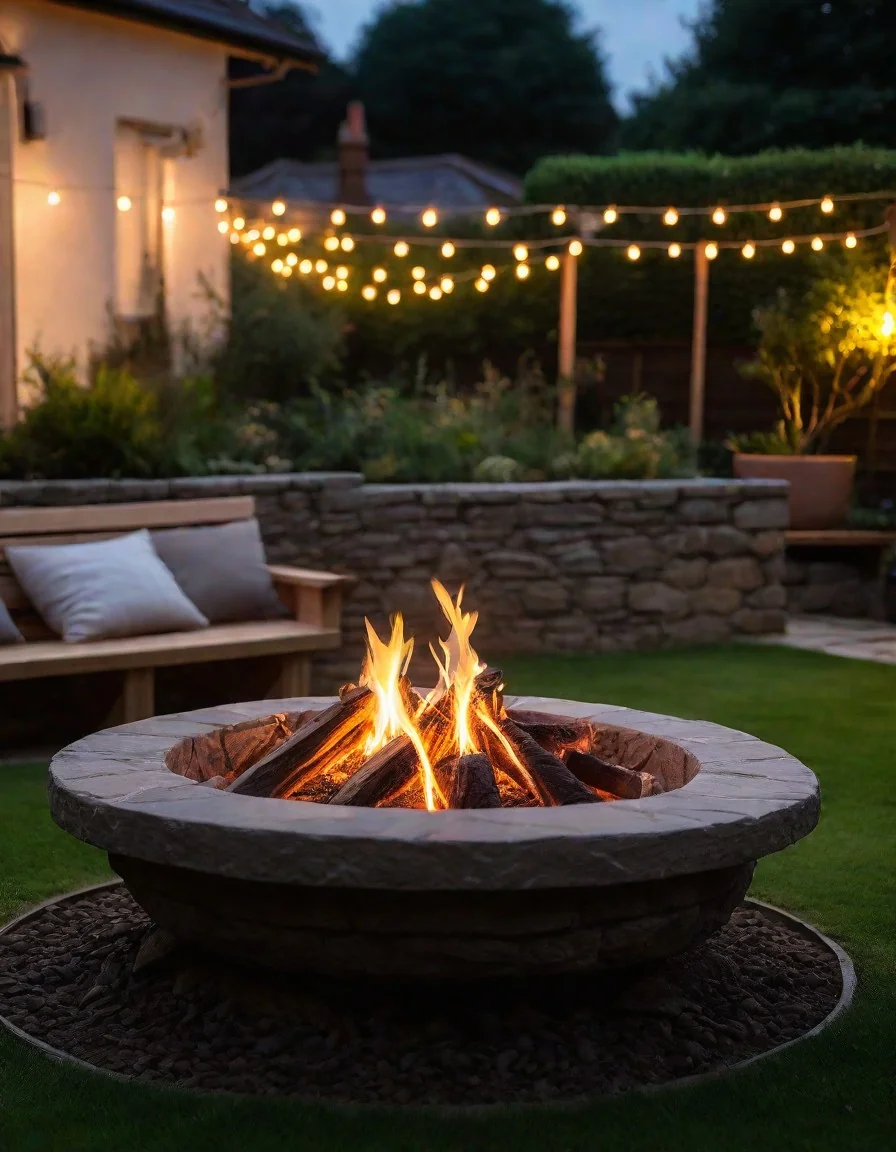
A fire pit is the fastest way to make a backyard feel like a destination — and the fastest way to meet your local fire marshal if you build it wrong. Rules vary enormously by city and county, but the safety principles underneath them are universal. Here is how to approach permits, clearances, and safe placement before you buy a single paver.
Start with your local rules, not a YouTube build
Some municipalities allow small recreational fires freely; others require permits, restrict burn days, ban open burning entirely during dry season, or limit fuel types (seasoned wood only, no trash, sometimes no wood at all in favor of gas). Homeowner associations add their own layer. A ten-minute call to your local fire department or building office — plus a skim of your HOA covenants — answers the permit question definitively for your address.
Ask specifically about: permit requirements and fees, minimum setbacks from structures and property lines, allowed fuels and flame size, burn bans or seasonal windows, and whether gas features need separate plumbing or gas-line permits. Get the answer in writing or note who told you.
The clearances that matter everywhere
Even where codes are loose, physics is not. The widely used baseline is at least 10 feet of clearance from houses, fences, sheds, trees, and anything combustible — more for larger fires or overhanging branches. The pit needs a non-combustible base and surround (stone, pavers, gravel), level ground with drainage, and separation from decks unless the design is specifically rated for it.
Think in three dimensions: sparks rise, so look up for branches, eaves, and pergolas as well as around for furniture and fences. Prevailing wind direction should push smoke away from seating and neighbors, not across them.
Wood, gas and smokeless: the compliance angle
Fuel choice changes the rulebook. Wood fires face the most restrictions — many burn bans target them first. Gas features often sidestep open-burning rules but can trigger gas-line and installation-permit requirements; professionally installed gas lines with shutoffs and inspection are the norm, not a luxury. So-called smokeless designs burn wood more completely but are still wood fires in the eyes of most ordinances.
When in doubt, the gas option with a proper installation is usually the path of least regulatory resistance — at the cost of higher upfront spend and less of that crackling-wood romance.
Build safety into the plan, not after it
Before construction: call 811 (or your local utility locator) to mark buried lines anywhere you will dig or set footings. Keep a water source or extinguisher within reach of the finished pit. Plan seating outside the heat-and-spark radius with stable, non-combustible-adjacent placement. And budget the "boring" line items — gravel base, drainage, spark screen, cover — that separate a lasting feature from a liability.
A weekend of planning beats a season of regret. Sketch the layout to scale, mark clearances on paper, and walk the site at the hour you will actually use it to check wind, sightlines, and neighbor windows.
How this book helps
Fire Pit & Outdoor Living Plans (available here) include pit construction options with safe-clearance and permit guidance plus seating layout ideas — the planning-first approach this article recommends, in blueprint form.
Compost the yard waste your clearing project produces with the Composting Mastery System. And once the pit is in, the Container Gardening Complete System shows how to landscape the surrounding space into a real outdoor room.
DIY guidance only — always verify fire codes and permit requirements locally, call utility locators before digging, and have gas or structural work professionally inspected where applicable.
Related articles
2026-12-13 · 3 min read
How to Build a Paver Fire Pit in a Weekend: Materials, Layout and Seating
A paver fire pit is the classic DIY win: no masonry certification, no welding, just block, gravel, adhesive, and a weekend. Contractor quotes for…
Read article →2026-12-12 · 3 min read
Wood vs Gas vs Smokeless: Which Fire Pit Fits Your Backyard and Budget?
The fire pit aisle is genuinely confusing: crackling wood rings, push-button gas burners, double-wall "smokeless" stoves — each with passionate fans…
Read article →2026-12-01 · 4 min read
DIY Solar Permits and Inspections: The Checklist Walkthrough Nobody Skips Twice
Nothing stalls a DIY solar build like the permit office. You have panels on the roof, wire half-run, and then an inspector red-tags the job over a…
Read article →